Practical guides
Alarm Clock Buying and Reliability Guides
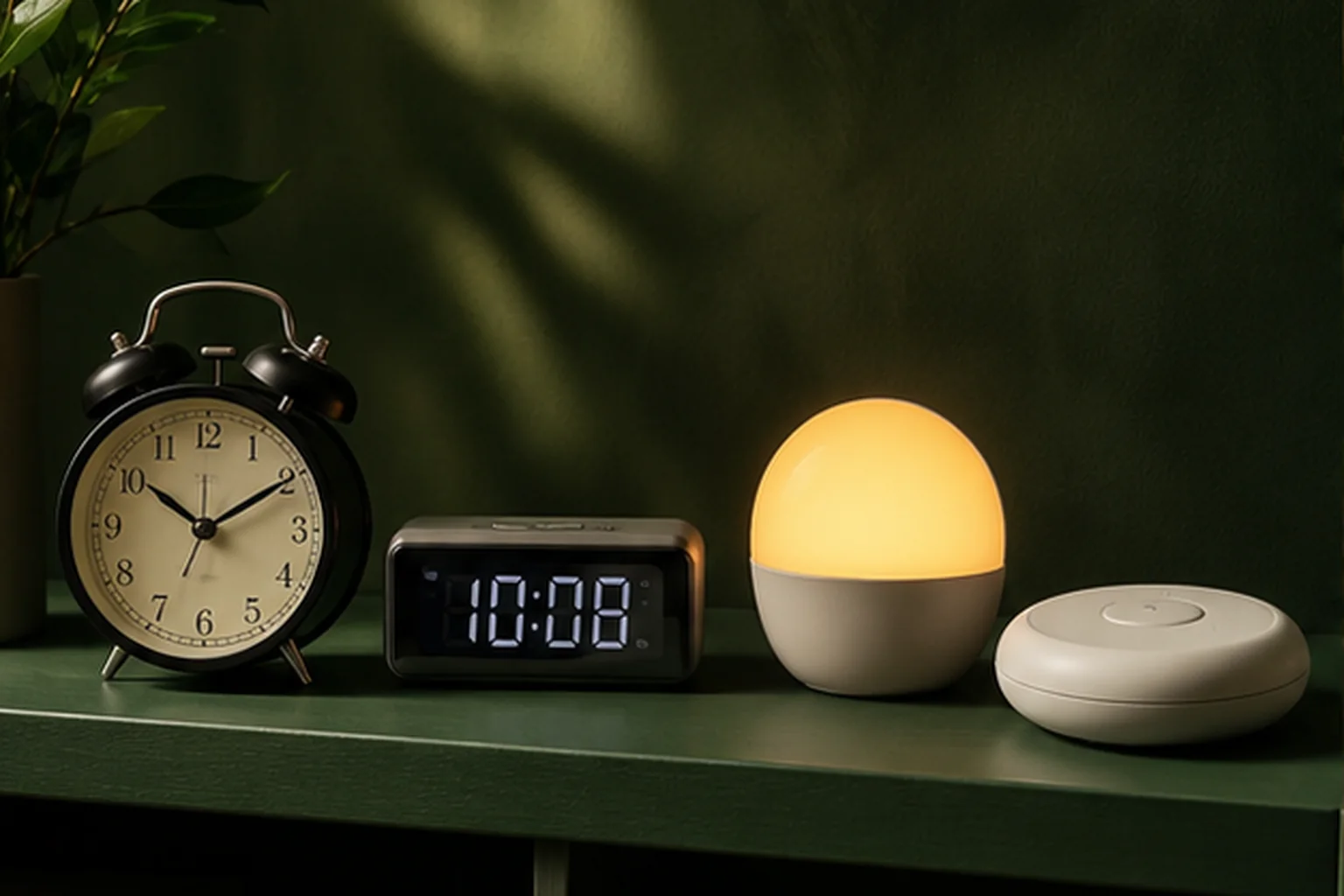
These guides focus on decisions and failure checks that apply across brands. Model-specific setup stays inside the relevant review when it does not need a separate page.
The decision first
Are you choosing a clock or repairing a failed wake-up routine?
Use the buying guide before comparing models. Use the missed-alarm guide when the current routine has failed. Both routes lead back to a signal, placement, power, and verification check instead of promising that one feature solves every sleep problem.
Nonnegotiable checks
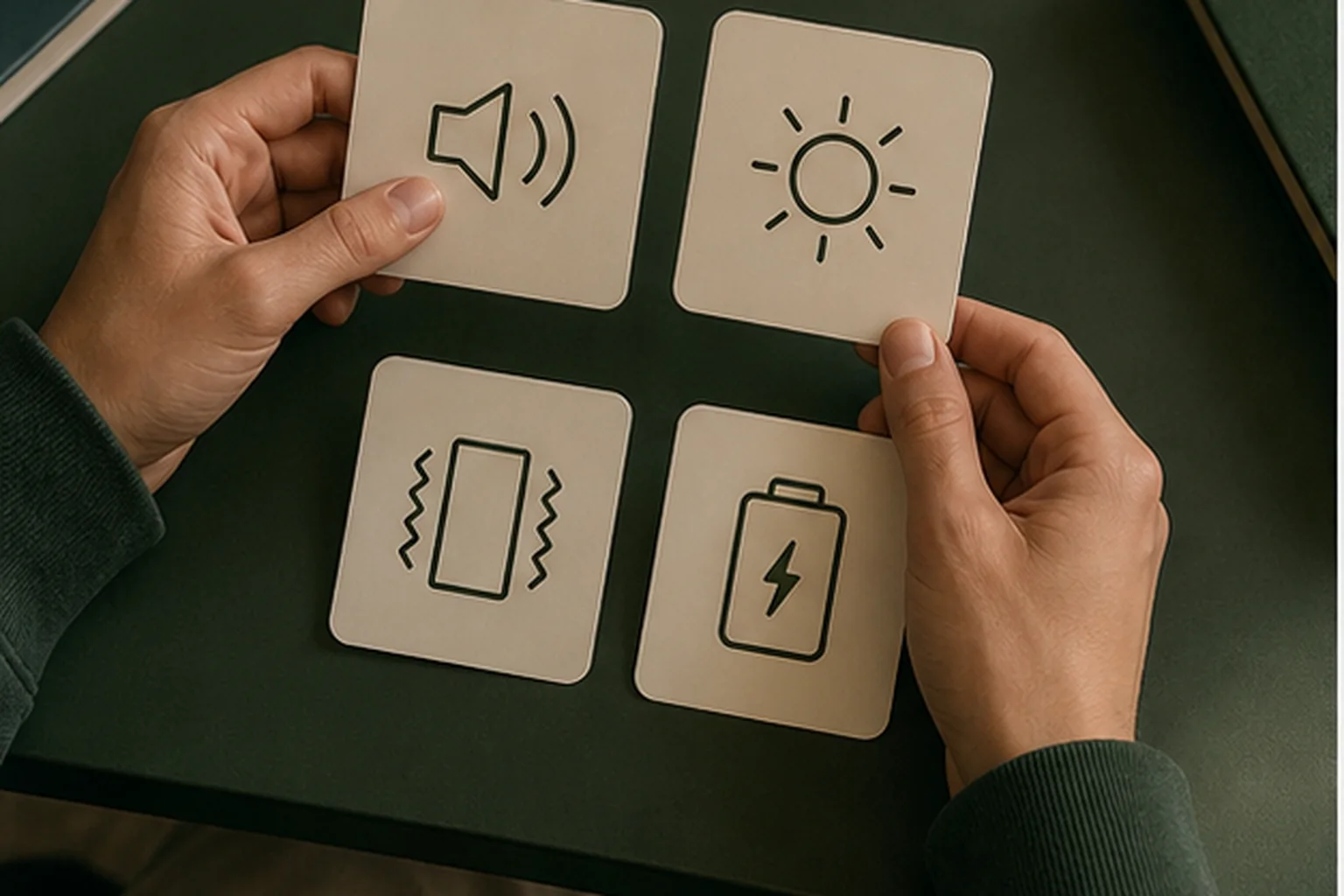
The criteria that can change the answer
Signal
What must the sleeper hear, see, or feel?
Placement
Can the signal reach the sleeper without being blocked?
Power
Does backup sound the alarm or only retain settings?
Verification
Can the complete routine be tested before an important morning?
What changes in practice
Compare the trade-offs, not the feature count
| Route | Decision value |
|---|---|
| How to choose an alarm clock | A full pre-purchase decision path. |
| Why you sleep through alarms | A non-diagnostic failure audit and next steps. |
Choose the correct workflow
A buying decision and a failed routine need different first steps
A person buying a first alarm clock has an open design problem: which signal, controls, power path, and form factor fit the room? A person already sleeping through alarms has evidence from a failed system. Mixing those tasks leads to generic advice. A buyer is often told to move the current clock across the room, while a troubleshooting reader is shown another list of products without identifying whether the alarm failed to sound, failed to reach the sleeper, was silenced automatically, or was followed by a return to sleep.
Use the buying route when the current device is absent, clearly unsuitable, or being replaced for a known requirement such as vibration, a dark display, travel power, or separate schedules.
Start with three nonnegotiable conditions and remove every model that misses one. Use the troubleshooting route when a real setup has failed. Reconstruct the last missed morning from scheduled time to waking response. Confirm that the alarm was enabled, had power, produced the expected cue, reached the sleeper, and required the intended action to stop.
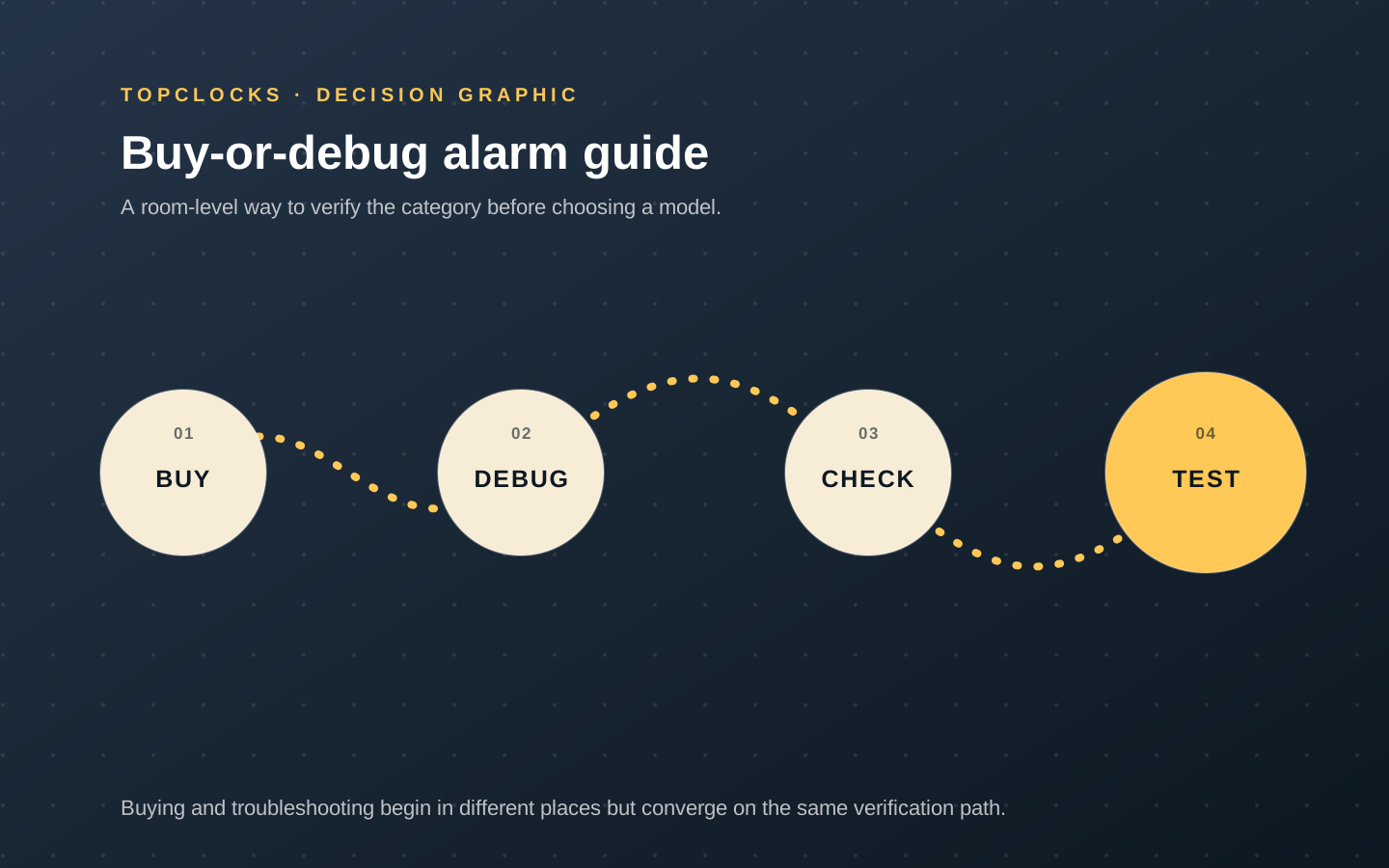
Both workflows eventually meet at verification. A feature list can narrow candidates, and a manual can explain intended behavior, but only a room test confirms signal reach, physical controls, and the state left by snooze or power loss. The difference is the evidence available at the start. Buying begins with requirements. Troubleshooting begins with a failure record.
- Use the buying guide when you can state the needed signal, room constraint, and power requirement before naming a model.
- Use the sleeping-through guide when an alarm has already failed and the failed link is not yet known.
- Use a feature guide when one behavior—backup, charging, dual alarms, or darkness—can disqualify a model.
- Use a model review when the category is settled and the remaining questions belong to one exact product.
Keep claims traceable
Separate manufacturer facts, editorial interpretation, and room tests
Alarm guidance becomes unreliable when three kinds of evidence are blended together. A manufacturer page or manual can establish a model’s controls, stated alarm sources, included accessories, power input, supported app, or intended backup behavior. Editorial analysis can explain why those facts matter to a heavy sleeper, a couple, or a traveler. A real-room test can show whether the signal reaches one person through a particular mattress or whether a display is too bright for that bedroom. One layer cannot honestly substitute for another.
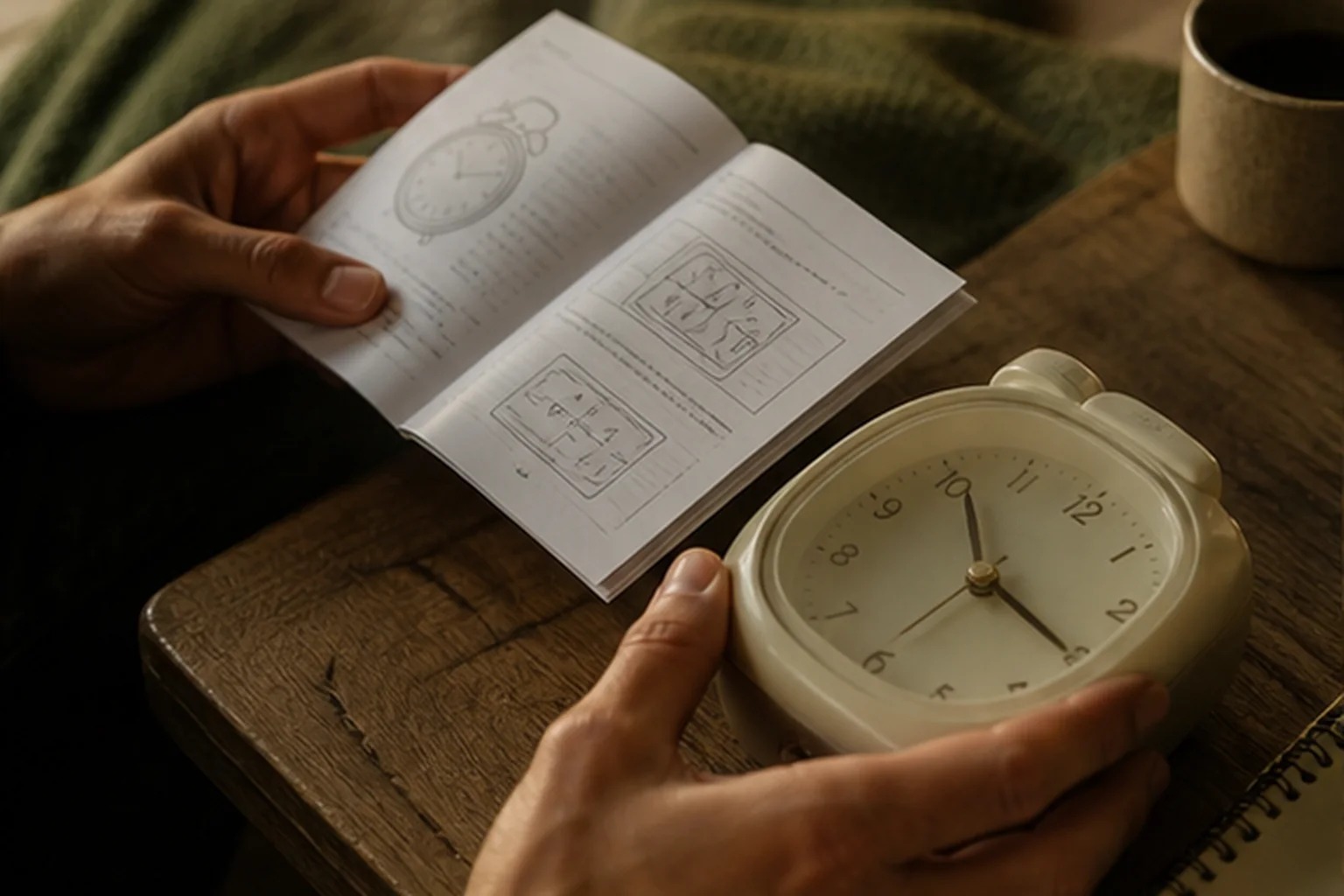
For product selection, begin with the current official page and then find the manual for the exact model number or revision. Retailer copy often shortens “retains time and alarm settings” to “battery backup,” which can be mistaken for a battery-powered alarm during an outage.
A smart clock’s marketing page may promote content without clearly separating included features from subscription content. A dual alarm may support two times but share one source or volume. The manual is usually where these operational boundaries appear.
Editorial interpretation should name uncertainty instead of smoothing it away. If a current source does not say whether the alarm sounds on backup power, the guide should tell the reader to verify rather than infer. If a product has not been tested hands-on by TOPCLOCKS, a role-based shortlist should say so. If performance depends on bedding, placement, hearing access, or a partner’s response, the page should provide a test rather than a universal promise.
- Match the exact model number, regional version, and revision before transferring a manual claim.
- Prefer an operational sentence—what remains on, audible, stored, or controllable—over an unexplained feature label.
- Do not convert a manufacturer maximum into a guaranteed result for every sleeper or room.
- Recheck app, subscription, compatibility, and service claims because connected features can change after publication.
Audit the chain
Reliability belongs to the complete alarm path
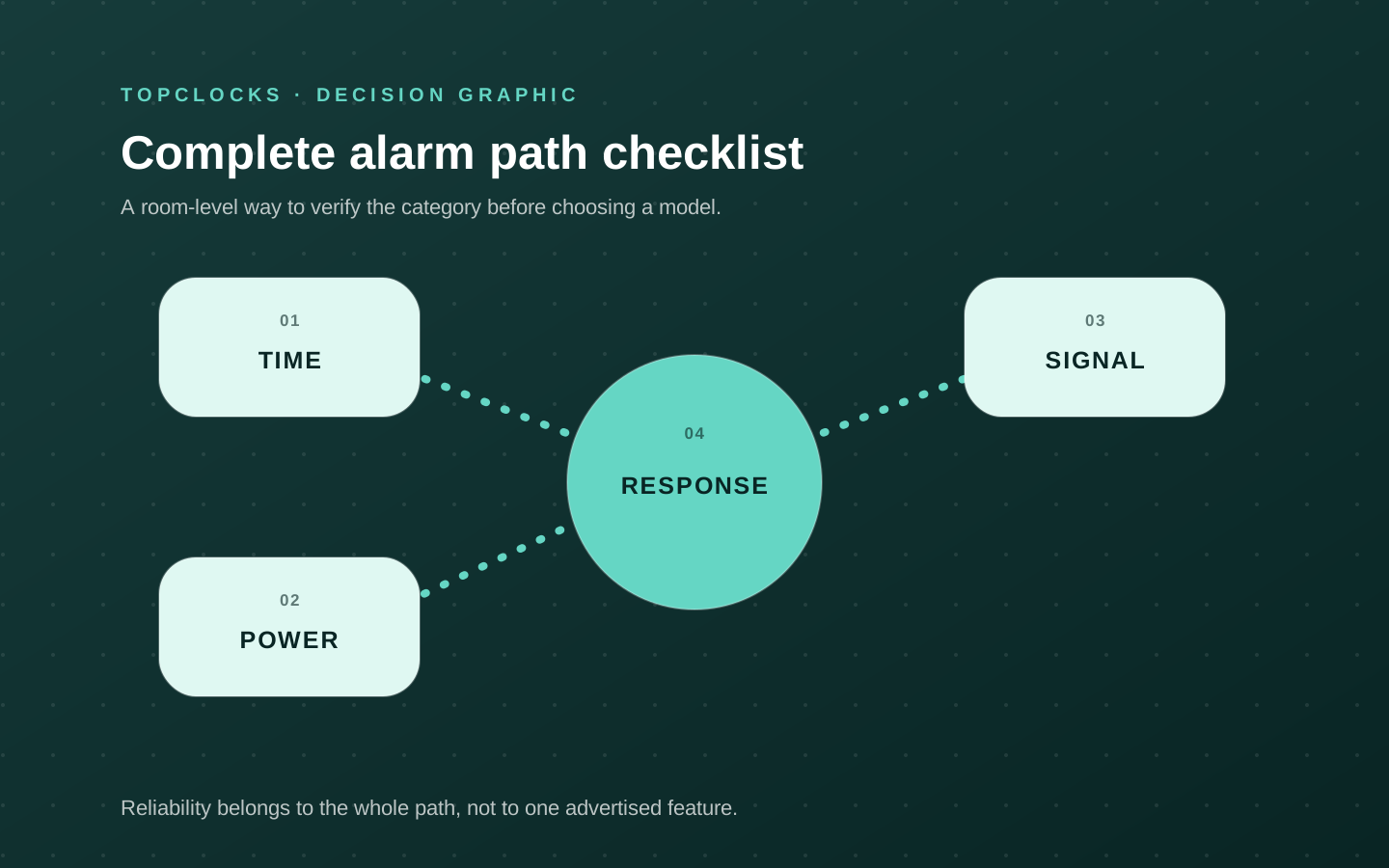
An alarm clock is reliable only when a sequence succeeds: the schedule is stored for the intended day; the device remains powered or behaves as expected during an outage; the selected signal starts; the signal reaches the sleeper; the controls produce the expected snooze or stop state; and the person stays awake long enough to begin the morning. A guide that checks only the speaker, light, or shaker evaluates one link and may miss the real failure.
The path creates a practical order for research. Check schedule rules before sound libraries. Check the power paragraph before charging ports. Check where the light, speaker, or shaker can be placed before comparing design. Check alarm-active indicators and physical controls before adding automation. A feature deserves priority when it protects an earlier link. For example, exact day patterns can prevent a disabled weekend alarm; an independent backup can cover power loss; a distinct stop control can reduce accidental dismissal.
The same path also prevents false redundancy. Two alarms that share one phone, one speaker, one outlet, and one bedside position cover limited failures. A second device on separate power, using a different signal and requiring a different action, covers more. The consequence of missing the alarm determines how much independence is appropriate. A high-stakes morning deserves a deliberate second path and a test, not merely more repetitions of the first.
- Schedule: verify time, day pattern, source, volume, and active indicator.
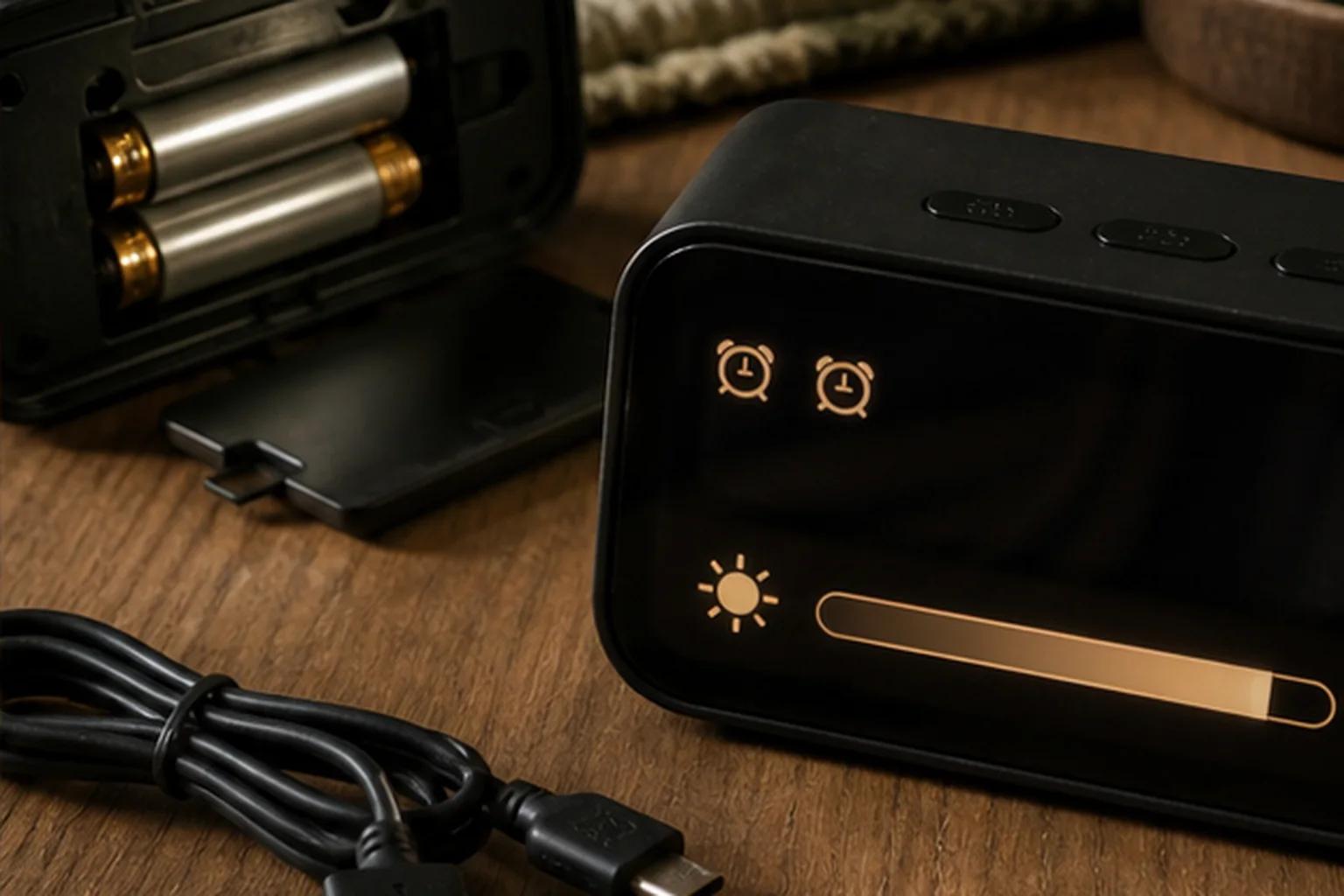
- Power: distinguish settings retention, alarm operation, display operation, and charging during an outage.
- Delivery: trace sound, light, or vibration from device to sleeper through the real room and bedding.
- Response: test snooze, stop, required movement, and the risk of returning to sleep.
Avoid overlapping guides
Keep a question on one page only while it serves the same decision
Alarm topics overlap naturally, but not every related phrase belongs on the same page. A short explanation of battery backup belongs in a buying guide because power is a universal filter.
The full distinction among time retention, alarm operation, display state, battery type, and outage testing belongs on the battery-backup page. A buying guide can mention a dark display as a criterion; the detailed inventory of remaining LEDs, auto dimming, true display off, and projection light belongs on the dimmable-display page.
The same boundary applies to people and products. A heavy-sleeper guide can compare sound, vibration, light, movement, and redundancy because the decision crosses categories. A loud-alarm page should stay focused on audible delivery and room impact. A product review should contain model-specific setup, controls, source-backed specifications, and limitations. Repeating those details in every guide creates repeated content and makes updates inconsistent when a manual or app changes.
Use a separate page when the object, stage, or verification work changes. “Which alarm should I buy?” and “Why did my current alarm fail?” are different workflows even though they share criteria. “Do I need vibration?” and “Which bed shaker fits my mattress and silent-mode requirement?” differ in depth. A concise link preserves the relationship without turning each guide into an encyclopedia.
- Keep the topic in the current guide when it can be resolved by one compact criterion or test.
- Link to a feature page when exact operational behavior can independently rule a product in or out.
- Link to a type or comparison page when the reader must choose between different delivery channels.
- Link to a model review when the answer depends on one product’s manual, app, subscription, controls, or accessories.
Turn reading into verification
Use a guide to create a repeatable test, not a one-time opinion
A useful guide ends with a test plan the reader can repeat after a move, schedule change, battery replacement, app update, or new bedding. Begin during the day. Set an alarm a few minutes ahead using the normal controls. Confirm the active indicator, selected source, volume, and day pattern. Place the device exactly where it will stay overnight. Observe what happens when the alarm starts, when snooze is pressed, and when stop is pressed. If backup behavior matters, repeat the test after disconnecting mains power under controlled conditions.
Then run a low-stakes morning test. Use the normal sleep position, usual phone state, real blackout curtains, partner in the room if appropriate, and actual bedding over a shaker. Record the failure rather than declaring the product weak: no signal, blocked signal, signal noticed but dismissed, or awake and returned to sleep. Change one variable at a time so the result identifies a useful adjustment. Moving the clock, changing one tone, or repositioning a shaker is easier to evaluate than replacing the entire routine at once.
Maintenance is part of the guide because alarm reliability can decay silently. Batteries age. Cables move. phone settings and operating systems change. App permissions expire. Radio presets drift after a reset. A child learns to change controls. A partner’s schedule changes. Keep the active setup understandable: remove obsolete alarms, label or record battery dates, retain the manual link, and review connected-service terms.
- Test normal operation, stop and snooze behavior, then the relevant failure state.
- For important mornings, use a backup with a different channel or power source and test it beforehand.
- Re-run the path after moving the device, changing the bed, updating software, or altering the household schedule.
- When persistent waking difficulty or daytime impairment continues, treat product advice as limited and seek qualified professional guidance.
The purpose of the guide is not to promise a perfect clock. It is to reduce avoidable uncertainty and make the remaining risk visible before the alarm carries real consequences.
Verify in the room
Choose between a buying workflow and a failure audit
Decide whether you are replacing an unsuitable device or diagnosing a routine that already failed. The evidence and the next step differ, even when both searches eventually mention the same alarm clocks. Treat this as a selection experiment for alarm clock buying and troubleshooting guides, not a claim that one model will work for every sleeper. The objective is to expose a mismatch while the clock can still be returned, moved, or reconfigured.
For a purchase, document the room and three nonnegotiable requirements. For troubleshooting, reproduce the last failed setup before changing volume, placement, schedule, or device. Keep the first run deliberately ordinary. Extreme settings can hide a placement problem, and a special one-night routine does not show whether the setup is maintainable on workdays, school days, weekends, and schedule changes.
Advice fails when it jumps to a new product before locating the broken link: schedule, power, signal generation, signal reach, stop behavior, or the return to sleep. Write the likely failure before running the test. That note prevents a bright display, attractive sound library, charging pad, or app from receiving credit for a wake path it cannot protect.
Keep manufacturer facts, editorial interpretation, and room observations in separate notes. A manual establishes intended operation; a home check establishes whether that operation reaches this sleeper. A simple dated log is enough. Avoid converting one successful morning into a universal result; repeat the check after changing bedding, furniture, power, software, room, or schedule because the signal path may have changed.
- Buy or troubleshoot: write the observed state, not a yes-or-no impression. Add the condition that produced it and the next check if the result was unclear.
- Exact failed link: write the observed state, not a yes-or-no impression. Add the condition that produced it and the next check if the result was unclear.
- Official model manual: write the observed state, not a yes-or-no impression. Add the condition that produced it and the next check if the result was unclear.
- Room-specific observation: write the observed state, not a yes-or-no impression. Add the condition that produced it and the next check if the result was unclear.
- Claimed versus tested fact: write the observed state, not a yes-or-no impression. Add the condition that produced it and the next check if the result was unclear.
- Next verification action: write the observed state, not a yes-or-no impression. Add the condition that produced it and the next check if the result was unclear.
The workflow passes when it narrows the decision to one unresolved link and provides a direct verification step. Reject guidance that promises reliability from a feature label while leaving model revision, power behavior, and placement unverified. If the result is mixed, do not average it into a score. Preserve the unresolved condition and compare only models that give you a direct way to verify it.
When reading product pages for alarm clock buying and troubleshooting guides, translate each promising label back into an observable state. “Reliable” should identify the cue that survives the expected power and dependency conditions. “Easy to use” should identify who sets the alarm, in what light, and how the active state is confirmed. “Best” should disappear unless the scenario and disqualifiers are stated beside it.
Close the hidden gaps
Questions that settle a choice about alarm clock buying and troubleshooting guides
For alarm clock buying and troubleshooting guides, these questions close the gaps left by retailer filters and broad “best alarm” lists. Each answer is a boundary for the shortlist, not a promise about an untested model.
What should be tested before buying alarm clock buying and troubleshooting guides?
For a purchase, document the room and three nonnegotiable requirements. For troubleshooting, reproduce the last failed setup before changing volume, placement, schedule, or device. Use the exact device revision and current manual when a control, accessory, app, or backup behavior affects the result.
Which failure should be ruled out first?
Advice fails when it jumps to a new product before locating the broken link: schedule, power, signal generation, signal reach, stop behavior, or the return to sleep. Test that failure first, while the consequences are low, instead of increasing every setting at once.
How many checks make the result dependable?
Within this review of alarm clock buying and troubleshooting guides, one successful check confirms that the setup can work; it does not show that it is robust. Repeat it on ordinary mornings and after any change that affects the signal, power, placement, schedule, or stop action. High-consequence mornings deserve an independently tested backup.
Can specifications settle the choice?
Specifications and manuals can narrow the shortlist for alarm clock buying and troubleshooting guides by establishing intended controls, compatibility, power requirements, and operating states. They cannot establish what one sleeper will hear, see, or feel through a particular room and bed. Keep documented facts and room observations separate.
When should a candidate for alarm clock buying and troubleshooting guides leave the shortlist?
Reject guidance that promises reliability from a feature label while leaving model revision, power behavior, and placement unverified. A disqualifier should remove the model before price, design, reviews, or optional content are compared.
What does a passing result look like?
The workflow passes when it narrows the decision to one unresolved link and provides a direct verification step. The result should be visible in the log and repeatable without a special workaround that the household is unlikely to maintain.
Finish the decision about alarm clock buying and troubleshooting guides by writing one sentence: “This setup should wake this person, in this room, through this signal, under these power conditions, and it will be checked this way.” If any blank remains, the page has identified the next research task rather than pretending the purchase is settled.
Before relying on it
Run the complete alarm path
A product page can confirm features. Only a real setup check confirms that the selected signal, placement, controls, and power path work together in the room.
- Keep model instructions with the model review.
- Do not turn sleep symptoms into a product diagnosis.
- Link every recommendation to a check.
- Revisit claims when manuals or apps change.
Role-based product shortlist
Models worth comparing for this decision
These are desk-researched candidates, not a claim that one clock wins for everyone. Each card explains the scenario it fits, the limitation to verify, and the primary source used for the factual details.
Compare for a self-contained sunrise alarm
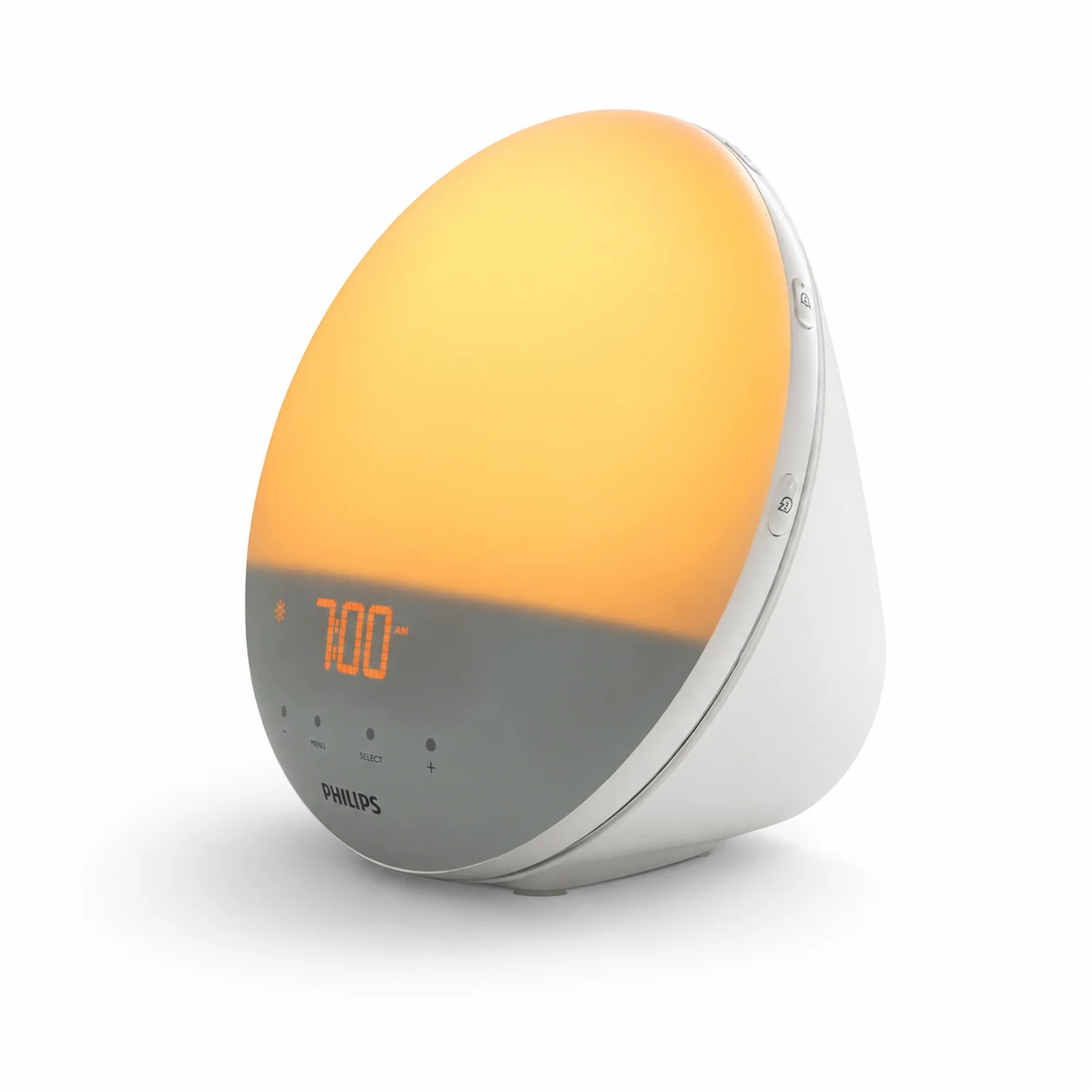
Philips SmartSleep HF3520/60
HF3520/60 is a useful buying-guide example because its light, sound, radio, and controls work without an account or phone.
HF3520/60 provides an adjustable 20-, 25-, 30-, 35-, or 40-minute sunrise simulation, two alarm profiles, natural wake sounds, FM radio, tap snooze, and bedside controls without requiring an app or subscription. The default sunrise duration is 30 minutes.
Compare for compact, app-free travel use
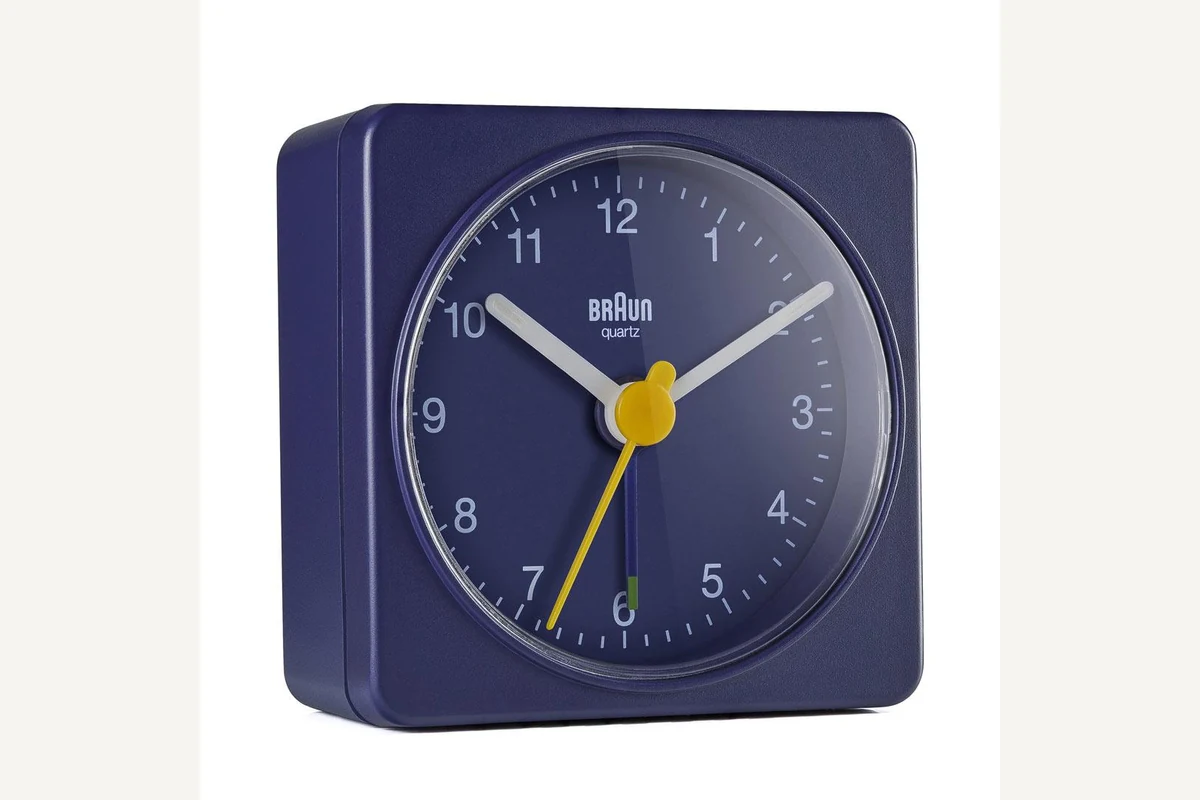
Braun BC02
BC02 makes power and portability easy to inspect: one AA battery, rear controls, and no connected-service failure path.
BC02 is a 57 mm square analog clock powered by one AA battery. It uses a quiet quartz tick movement, luminous-tipped hands, and a crescendo beep without an app, account, or wall outlet.
Compare when standing up is part of the plan
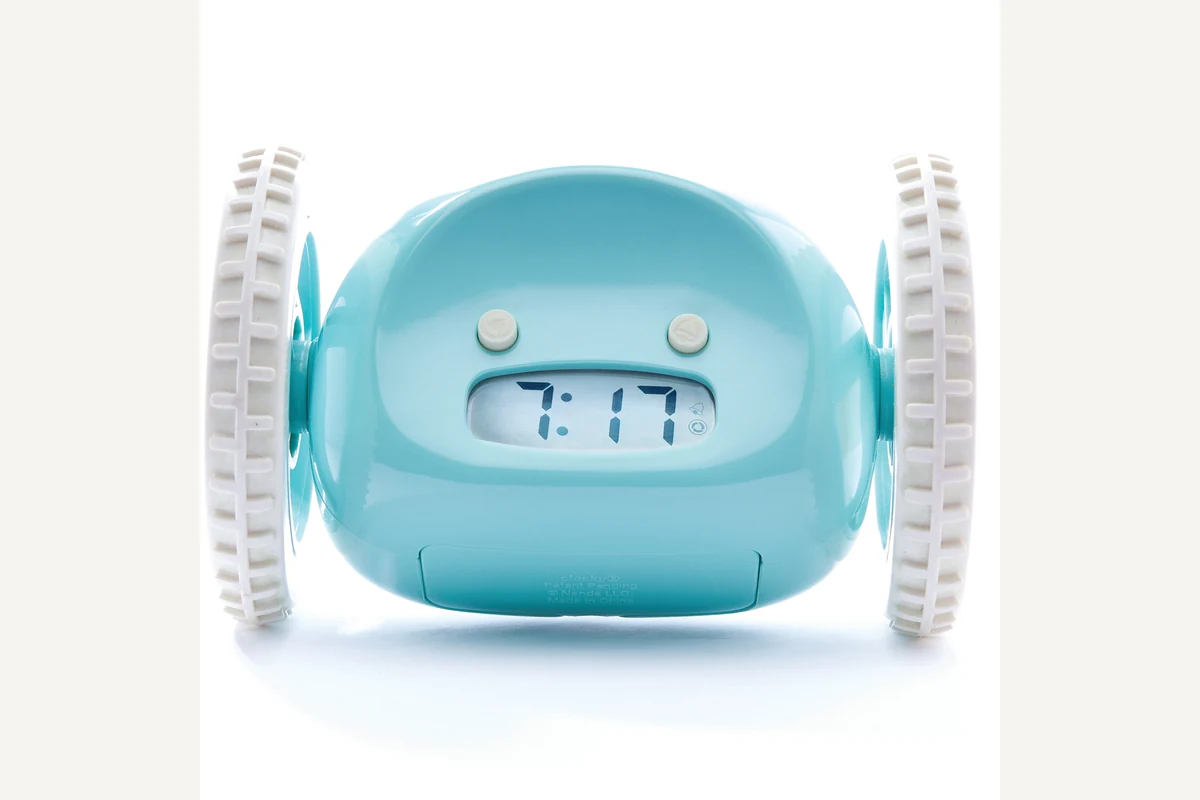
Clocky
Clocky belongs in the troubleshooting route only when getting out of bed is the missing action, not when volume is the only issue.
Clocky can allow one snooze, then roll away while beeping so the sleeper has to leave the bed to stop it. The running function can also be disabled.
Evidence trail