Choose by sleeper
Alarm Clocks by Wake-Up Needs
A sleeper page compares several signal types for one real morning constraint. It should not be a renamed product category.
The decision first
Whose morning must this alarm protect?
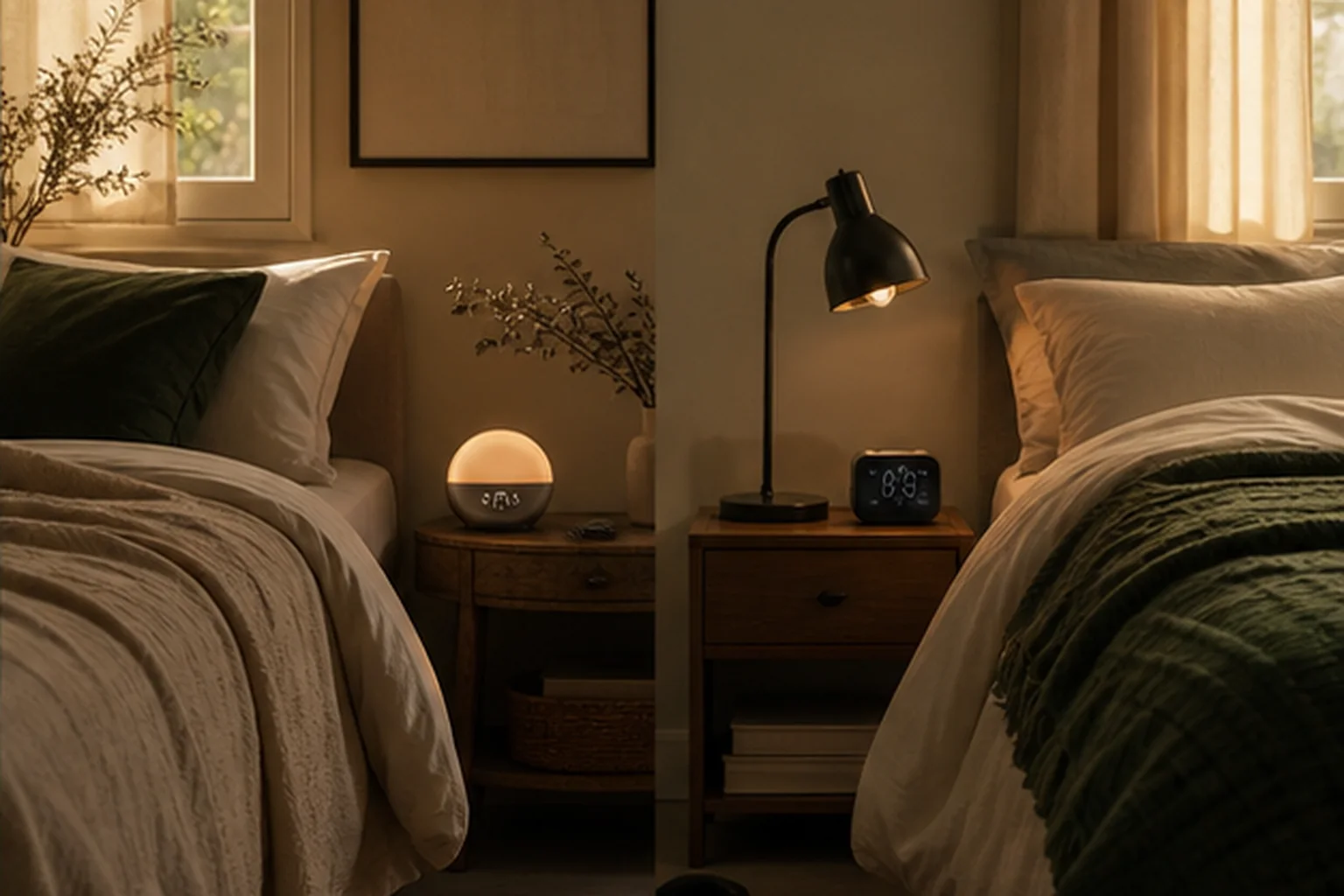
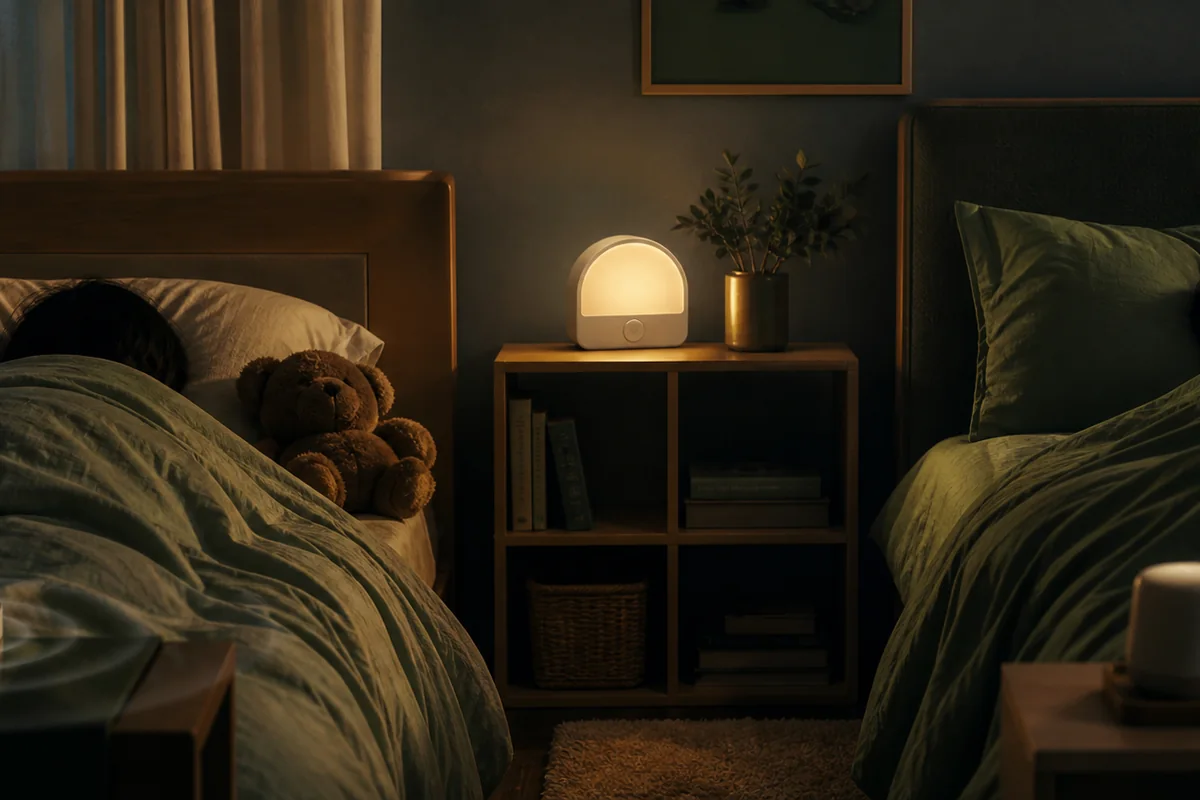
Start with the person who must receive the alert and the people who should not. A heavy-sleeper route may layer signals. An accessibility-first route may prioritize vibration or flashing light. Children need age-appropriate controls, while couples often need separate schedules and a more local alert.
Nonnegotiable checks
The criteria that can change the answer
Signal access
Can the intended sleeper hear, see, or feel the alert?
Other sleepers
How far does the signal spread across the room or home?
Independent control
Can each schedule be changed without rebuilding the whole routine?
Backup
What second signal or device remains available if the first path fails?
What changes in practice
Compare the trade-offs, not the feature count
| Route | Decision value |
|---|---|
| Heavy sleepers | Layering and placement before raw feature count. |
| Deaf or hard of hearing | Vibration, light, compatibility, and redundancy. |
| Kids | Simple controls and a clear morning rule. |
| Couples | Separate schedules and limited partner disturbance. |
Define the people first
Name who must receive the cue—and who should not
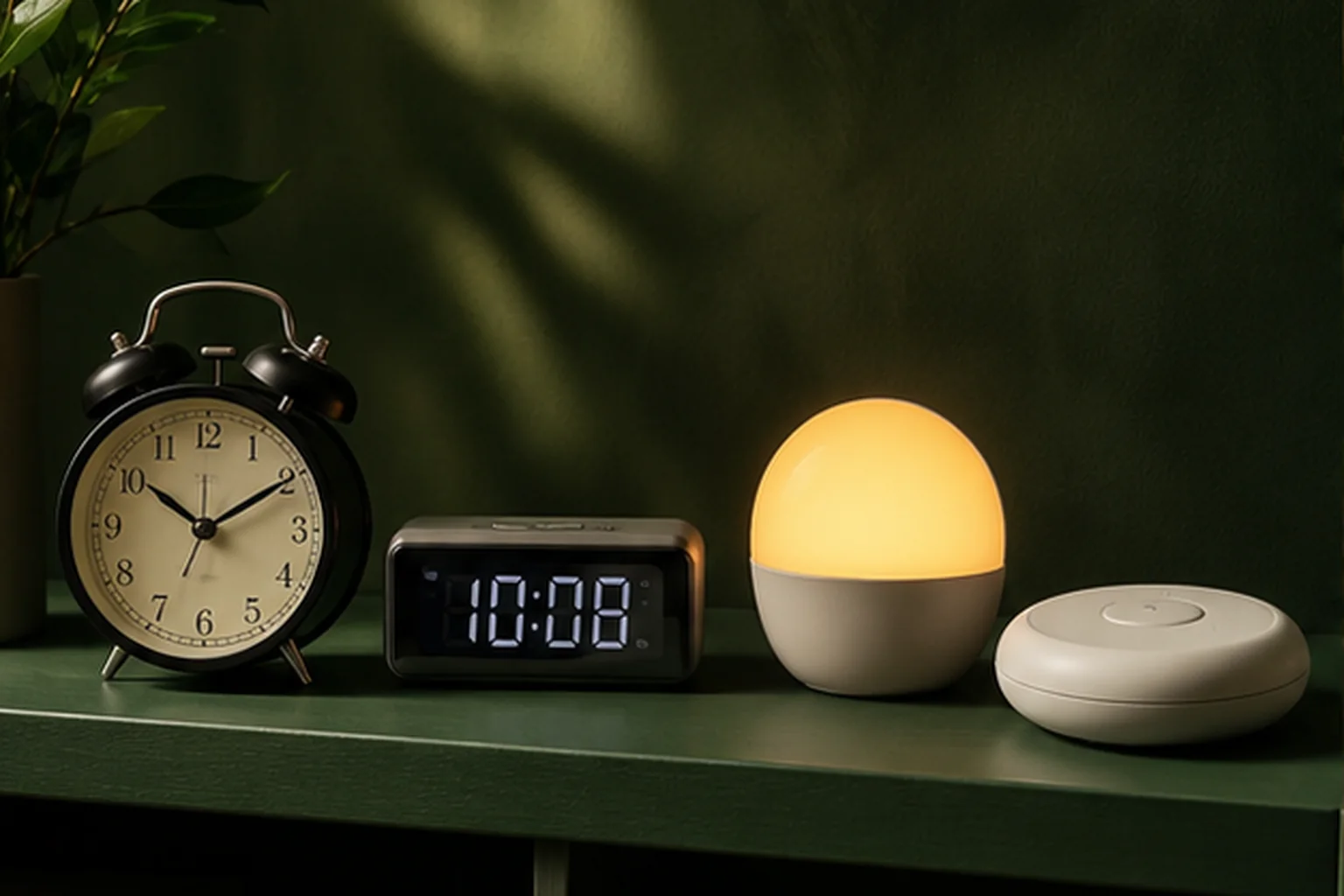
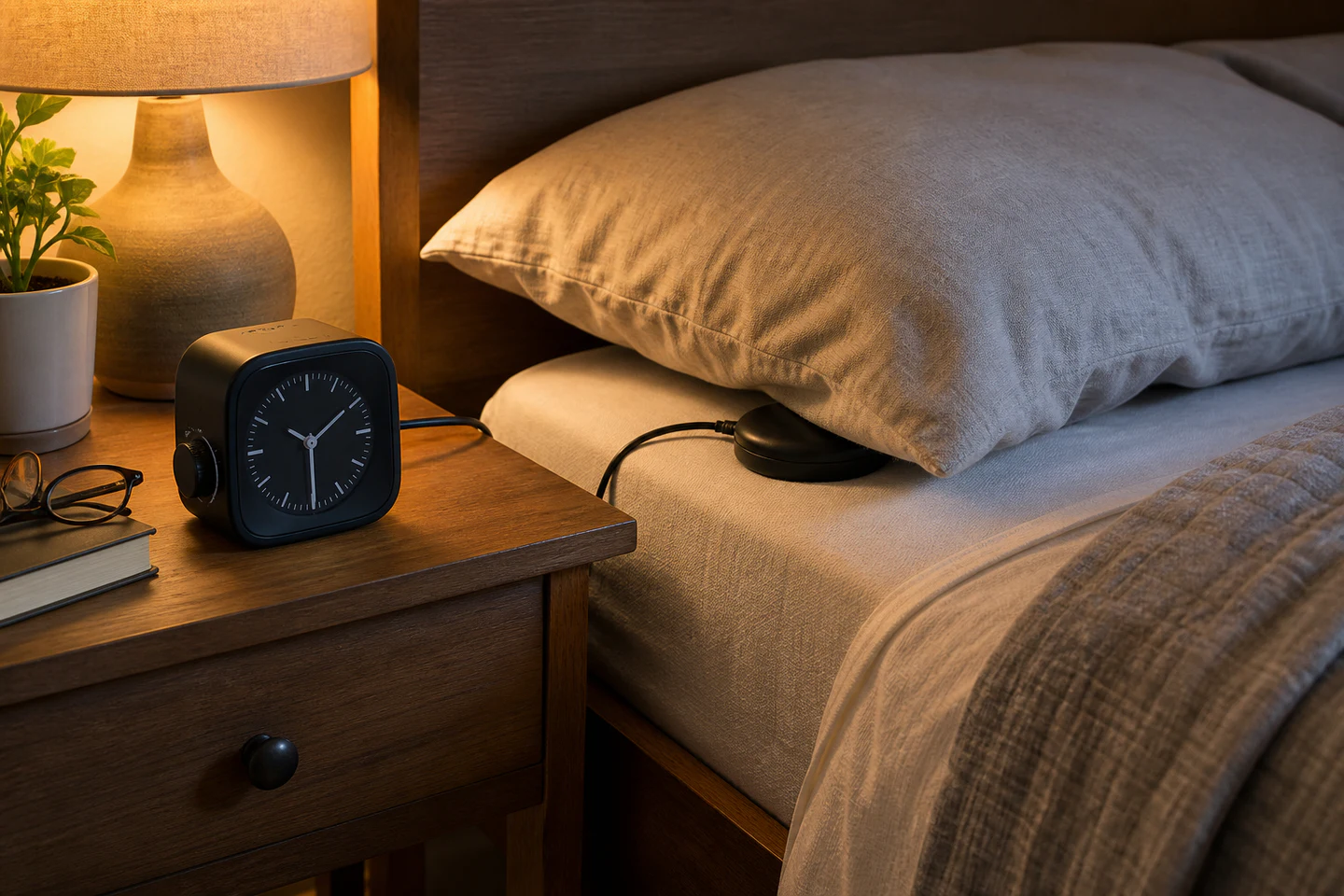
A wake-up need is not a softer synonym for an alarm-clock type. “Heavy sleeper,” “hard of hearing,” “child,” and “couple” describe different people, constraints, and morning consequences. The same product category can appear in several routes for different reasons. A bed shaker may serve as an accessible tactile alert, a comparatively local cue for one partner, or a second channel for someone who misses sound. A sunrise clock may create a gradual lead-in for one sleeper, teach a color rule to a child, or disturb a partner before either alarm time arrives.
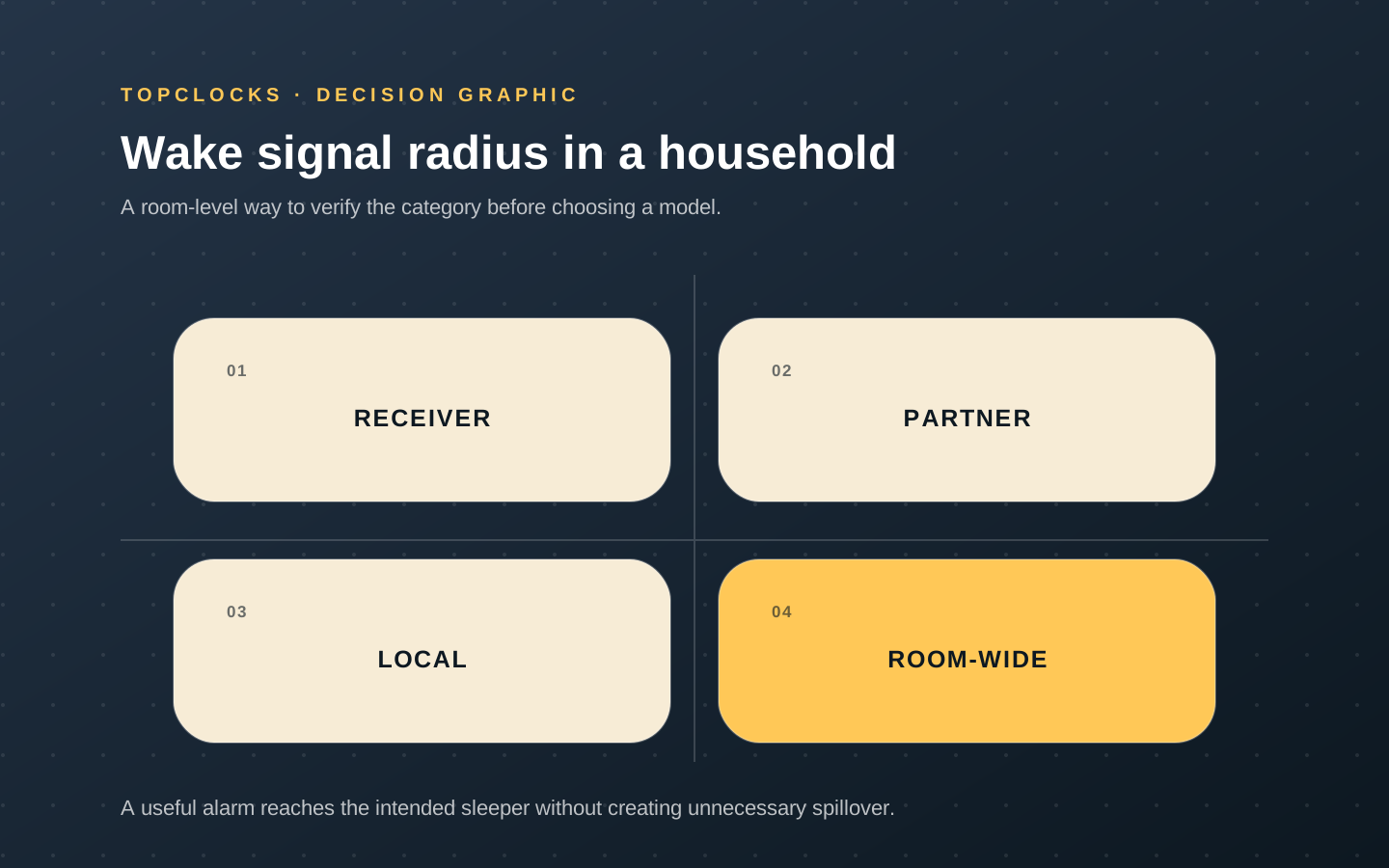
Start by naming the receiver: the person who must wake. Then name the bystanders: a partner, sibling, child, roommate, neighbor, or anyone else who can hear, see, or feel the alert.
This prevents the search from collapsing into “strongest alarm.” Strength is only useful when the signal is accessible to the receiver and tolerable to everyone else. A louder tone may improve reach and worsen the household fit. A vibration puck may reduce audible spillover and still move a shared mattress. Light can avoid sound while illuminating the entire room.
The receiver also changes what “easy to use” means. A child may need one stable color cue while a caregiver needs protected scheduling controls. A deaf sleeper may need a tactile alarm that operates without hearing devices or a live phone connection. A couple may need separate schedules and separate sources. A heavy sleeper may need the shutoff point moved away from automatic reach. None of those jobs can be inferred from a generic feature count.
- Receiver: identify which signals the intended sleeper can realistically hear, see, or feel during sleep.
- Bystander: decide how much sound, light, or mattress movement the room and household can accept.
- Controller: name who sets, changes, and verifies the routine, especially for children or shared devices.
- Consequence: decide whether a missed alarm is an inconvenience or requires a genuinely independent backup.
Turn the need into a route
Translate the morning constraint into a delivery channel
Once the people are clear, convert the need into a signal requirement.
For a sleeper who does not reliably receive sound, increasing volume is not the default solution; vibration, light, or a combined accessible system belongs at the front of the comparison. For a person who hears the alarm but turns it off without standing, changing the shutoff task or placement may matter more than the tone. For a couple, a local tactile cue can be more valuable than a clock with two times on one speaker. For a younger child, the primary “signal” may be a simple stay-in-bed or okay-to-wake color rather than a wake alarm at all.
Write the requirement as an action, not a product name. “Deliver a tactile cue through this mattress” is more useful than “buy a vibrating clock.” “Begin a visible cue before 6:30 and retain a final sound” is more useful than “buy a sunrise alarm.” “Show one rule a preschool child can understand without exposing the controls” is more useful than “buy a kids clock.” Action language creates a verification test and leaves room for several valid products.
Then identify the signal’s physical boundary. Sound normally serves the room and may travel beyond it. Sunrise light depends on distance, direction, brightness, and obstacles. Bed-shaker vibration follows the structure of the bed and may be damped or shared. Wearable vibration moves with the user but introduces charging and comfort. These boundaries decide whether the need is met in the actual setting.
- For an accessibility-first route, verify the non-audible channel independently before treating sound as backup.
- For a shared room, test locality at the mattress and pillow—not only the absence of speaker volume.
- For a child, keep the child-facing cue stable while making adult scheduling as simple as the household needs.
- For repeated missed alarms, separate “did not notice,” “silenced automatically,” and “returned to sleep.”
Redundancy without repetition
Build a backup that does not share the first failure
Multiple alarms are often described as redundancy even when they share the same weakness. Five alarms on one phone still depend on one battery, one speaker, one operating-system state, and one device within arm’s reach.
Two alarm times on one clock still depend on one outlet and one control surface. A louder repeat of the same tone may be useful for duration, but it does not cover a sleeper who cannot access that frequency or a device that lost power.
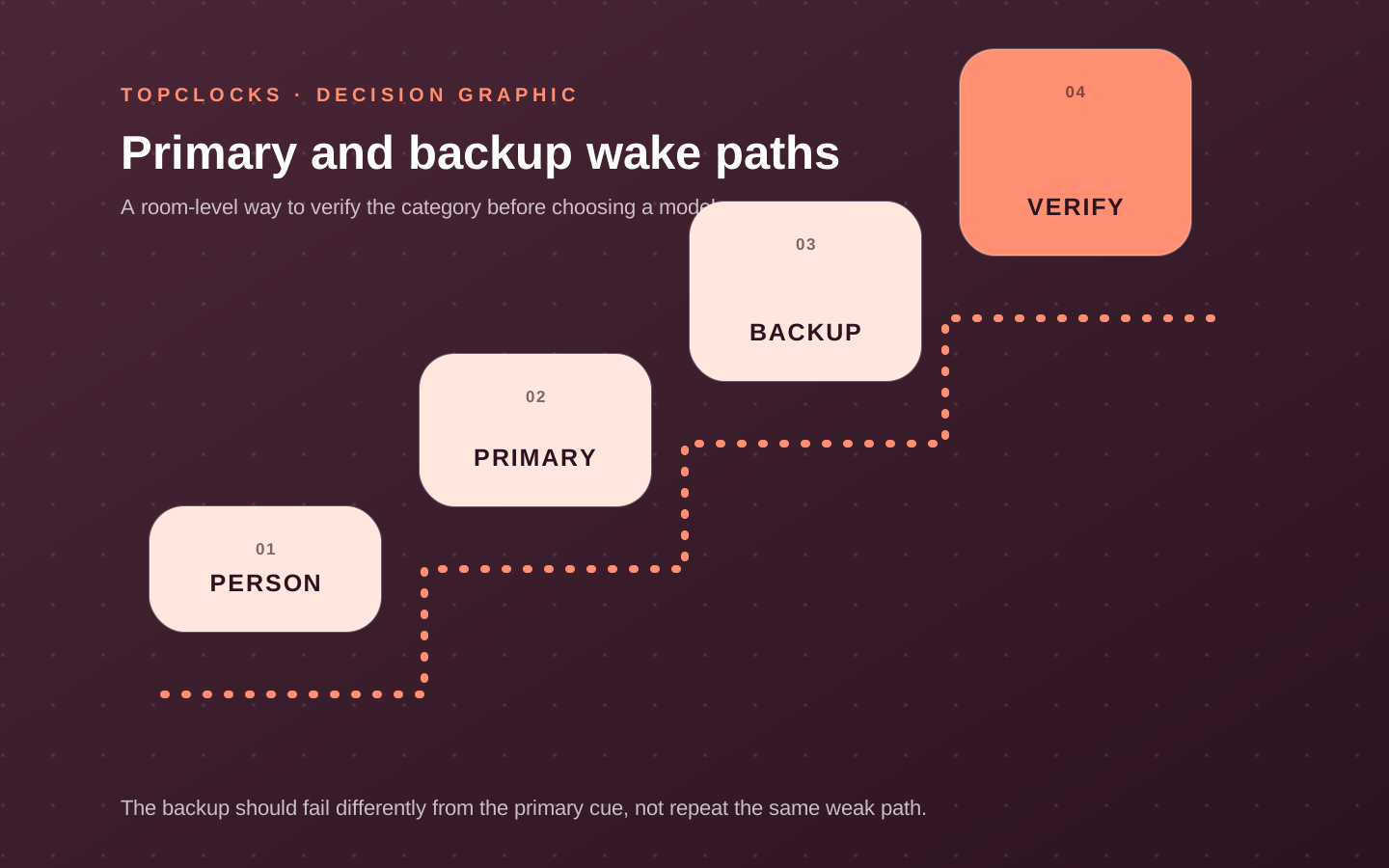
A stronger backup changes at least one important dimension: delivery channel, device, power source, placement, or required waking action. A sound alarm can be paired with a shaker; a sunrise routine can finish with sound; a mains-powered clock can be backed by a battery device; a bedside alarm can be backed by a device that must be stopped across the room. The goal is not maximum stimulation. It is to prevent one plausible failure from disabling the entire wake path.
Independence should remain proportional to the consequence.
A routine meeting may not justify a complicated multi-device system. An early flight, medication schedule, exam, or safety-sensitive shift may justify testing a second path the day before. Avoid turning every morning into a high-intensity emergency. Strong sound, flash, and vibration can affect other sleepers and may encourage automatic shutoff if the routine is unpleasant or confusing. Use the minimum system that reliably covers the identified failure.
- Different channel: pair audible, visual, or tactile cues when one channel has already failed.
- Different power: do not place both the primary and backup on one outlet, adapter, or uncharged phone.
- Different action: require standing, walking, or deliberate confirmation when automatic silencing is the problem.
- Different placement: position the backup so that one blocked lamp, displaced shaker, or covered speaker cannot defeat both.
Plan for changing routines
The right wake setup can change with age, hearing, schedule, and room
Wake-up needs are not permanent categories. A child can move from a color-based morning rule to reading a clock and then to managing a school alarm independently. A couple can move between shared schedules, shift work, travel, and separate wake times. Hearing access may differ with or without devices worn overnight. A “heavy sleeper” problem may appear only after schedule changes, short sleep, a new room, or a habit of repeated snoozing. The page route should support a review, not attach a fixed identity to the sleeper.
This matters when choosing between simple and configurable products. A simple on-device clock can be easier to verify and maintain. A connected routine may adapt to changing schedules, allow caregiver control, or combine light and sound, but it adds setup and service dependencies. Future flexibility has value only when it addresses a foreseeable change. Buying a complex platform for hypothetical options can make the nightly alarm state harder to understand.
Room changes deserve the same review. A shaker that worked under one pillow may feel different on a new mattress.
A sunrise light can lose its path after furniture moves. Sound may travel farther through a new apartment wall. An outlet-dependent clock can become awkward in a hotel or temporary room. Re-test after a move, after changing bedding, after major app or operating-system updates, and whenever a partner reports that the signal has become disruptive.
- Keep the morning rule short enough that every user can explain it without opening the product page.
- Write down the active alarms and days after schedule changes; do not rely on memory or a hidden app state.
- Review brightness, volume, cable position, and battery condition when the room or bed changes.
- Retire unused routines and alarms so that the active state remains visible and predictable.
Use the narrowest useful page
Choose the route that matches the unresolved problem
The heavy-sleeper route is appropriate when ordinary alarms are missed, silenced automatically, or followed by a return to sleep. It compares cue timing, signal layers, placement, and waking action. It should not be used as a diagnosis or as a reason to keep increasing volume indefinitely. Persistent difficulty waking, significant daytime impairment, or concern about sleep or medication belongs with a qualified health professional as well as a device audit.
The deaf and hard-of-hearing route begins with tactile and visual accessibility, then considers optional sound, compatibility, power, and redundancy. The kids route separates waking from sleep-training and okay-to-wake rules, with controls and physical setup appropriate to the room. The couples route separates two schedules from two private signals; it examines sound and light spillover, mattress vibration, snooze behavior, and whether one or two devices make more sense.
If none of those people-centered routes describes the remaining decision, return to the alarm type or finder. A user who already knows that sound is accessible may need the loud-alarm or radio page. Someone who needs tactile delivery should compare vibrating alarms. A user whose real concern is a blackout, display glow, charging surface, or two independent day patterns should use the relevant feature page. This keeps each guide focused and reduces overlap between pages.
- Choose heavy sleepers when the failure moment is unclear or more than one signal may be needed.
- Choose deaf or hard of hearing when non-audible access is the primary requirement.
- Choose kids when the morning rule, developmental stage, and caregiver controls drive the purchase.
- Choose couples when independent schedules and limited spillover matter more than raw alarm strength.
After selecting a route, use the product cards as models to investigate, not automatic winners. Verify the current manual, the exact included accessories, the normal and outage states, and the complete routine in the room.
Verify in the room
Build the morning around the person, not the product label
Write down who must wake, who may be affected, and what usually goes wrong. That short description is more useful than beginning with a label such as heavy sleeper, kids clock, or couples alarm. Treat this as a selection experiment for alarm clocks by wake-up need, not a claim that one model will work for every sleeper. The objective is to expose a mismatch while the clock can still be returned, moved, or reconfigured.
Recreate the normal room with the usual bedding, hearing devices, door position, partner, caregiver routine, and distance to the controls. The receiver and bystander must be evaluated together. Keep the first run deliberately ordinary. Extreme settings can hide a placement problem, and a special one-night routine does not show whether the setup is maintainable on workdays, school days, weekends, and schedule changes.
A needs-based setup fails when the cue is inaccessible to the sleeper, too broad for the room, too easy to dismiss, or too complicated for the person who must set and verify it. Write the likely failure before running the test. That note prevents a bright display, attractive sound library, charging pad, or app from receiving credit for a wake path it cannot protect.
Note whether the signal was noticed, whether it prompted a deliberate action, whether anyone else woke, and whether the active schedule could be confirmed without guesswork. A simple dated log is enough. Avoid converting one successful morning into a universal result; repeat the check after changing bedding, furniture, power, software, room, or schedule because the signal path may have changed.
- Intended receiver: write the observed state, not a yes-or-no impression. Add the condition that produced it and the next check if the result was unclear.
- Unintended bystander: write the observed state, not a yes-or-no impression. Add the condition that produced it and the next check if the result was unclear.
- Accessible signal channel: write the observed state, not a yes-or-no impression. Add the condition that produced it and the next check if the result was unclear.
- Person who controls settings: write the observed state, not a yes-or-no impression. Add the condition that produced it and the next check if the result was unclear.
- Cost of a missed alarm: write the observed state, not a yes-or-no impression. Add the condition that produced it and the next check if the result was unclear.
- Change in room or routine: write the observed state, not a yes-or-no impression. Add the condition that produced it and the next check if the result was unclear.
A route passes when it solves the named morning problem with a cue the receiver can access and a routine the household can maintain. Reject any route that treats volume as a universal answer or assumes that two stored times create two private wake signals. If the result is mixed, do not average it into a score. Preserve the unresolved condition and compare only models that give you a direct way to verify it.
When reading product pages for alarm clocks by wake-up need, translate each promising label back into an observable state. “Reliable” should identify the cue that survives the expected power and dependency conditions. “Easy to use” should identify who sets the alarm, in what light, and how the active state is confirmed. “Best” should disappear unless the scenario and disqualifiers are stated beside it.
Close the hidden gaps
Questions that settle a choice about alarm clocks by wake-up need
For alarm clocks by wake-up need, these questions close the gaps left by retailer filters and broad “best alarm” lists. Each answer is a boundary for the shortlist, not a promise about an untested model.
What should be tested before buying alarm clocks by wake-up need?
Recreate the normal room with the usual bedding, hearing devices, door position, partner, caregiver routine, and distance to the controls. The receiver and bystander must be evaluated together. Use the exact device revision and current manual when a control, accessory, app, or backup behavior affects the result.
Which failure should be ruled out first?
A needs-based setup fails when the cue is inaccessible to the sleeper, too broad for the room, too easy to dismiss, or too complicated for the person who must set and verify it. Test that failure first, while the consequences are low, instead of increasing every setting at once.
How many checks make the result dependable?
Within this review of alarm clocks by wake-up need, one successful check confirms that the setup can work; it does not show that it is robust. Repeat it on ordinary mornings and after any change that affects the signal, power, placement, schedule, or stop action. High-consequence mornings deserve an independently tested backup.
Can specifications settle the choice?
Specifications and manuals can narrow the shortlist for alarm clocks by wake-up need by establishing intended controls, compatibility, power requirements, and operating states. They cannot establish what one sleeper will hear, see, or feel through a particular room and bed. Keep documented facts and room observations separate.
When should a candidate for alarm clocks by wake-up need leave the shortlist?
Reject any route that treats volume as a universal answer or assumes that two stored times create two private wake signals. A disqualifier should remove the model before price, design, reviews, or optional content are compared.
What does a passing result look like?
A route passes when it solves the named morning problem with a cue the receiver can access and a routine the household can maintain. The result should be visible in the log and repeatable without a special workaround that the household is unlikely to maintain.
Finish the decision about alarm clocks by wake-up need by writing one sentence: “This setup should wake this person, in this room, through this signal, under these power conditions, and it will be checked this way.” If any blank remains, the page has identified the next research task rather than pretending the purchase is settled.
Before relying on it
Run the complete alarm path
A product page can confirm features. Only a real setup check confirms that the selected signal, placement, controls, and power path work together in the room.
- Describe the missed-alarm failure.
- Name the people affected by the signal.
- Choose a primary and backup alert.
- Test the routine on a low-stakes morning.
Role-based product shortlist
Models worth comparing for this decision
These are desk-researched candidates, not a claim that one clock wins for everyone. Each card explains the scenario it fits, the limitation to verify, and the primary source used for the factual details.
Compare for a color-based morning rule
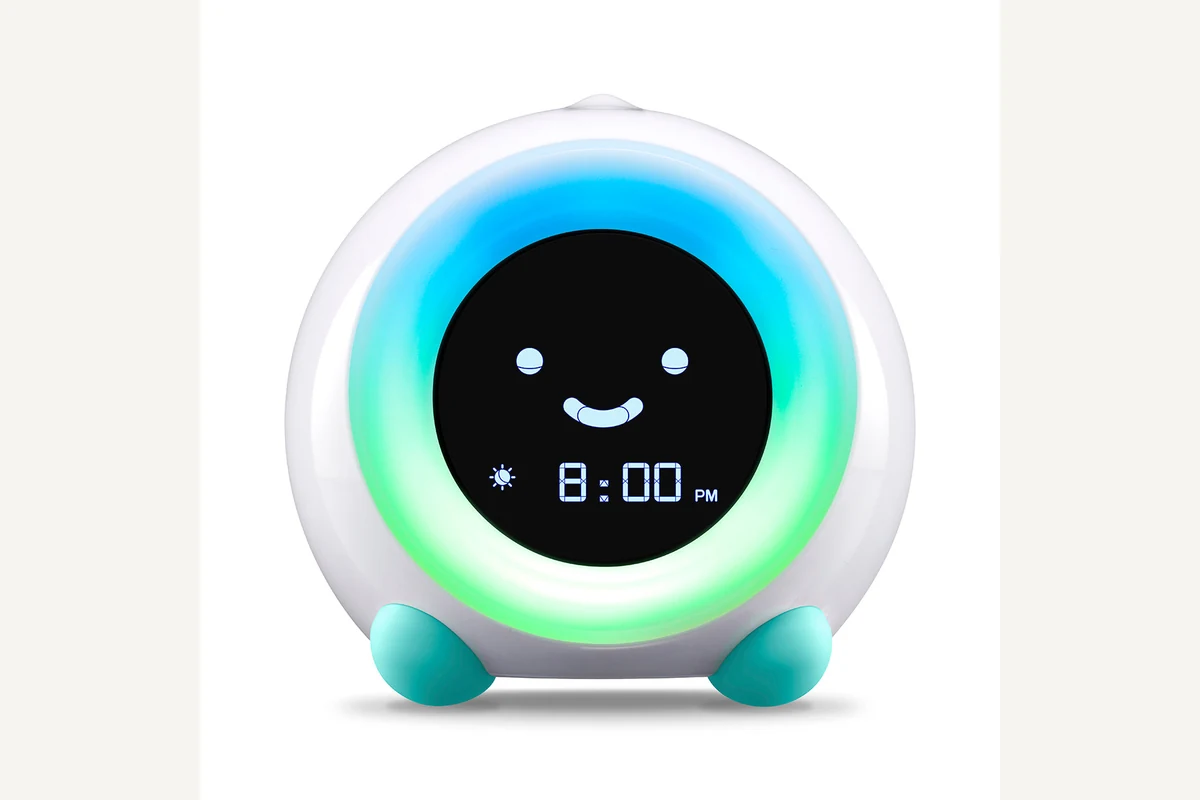
LittleHippo MELLA
MELLA suits families who want the device itself to communicate a simple color rule before the child reads a clock.
MELLA combines a ready-to-rise color cue and facial expression with an alarm, nap timer, night light, and sleep-sound playback. The maker places the sleep-trainer function from about age two, when color rules are easier to understand.
Compare for a family routine that can grow with the child
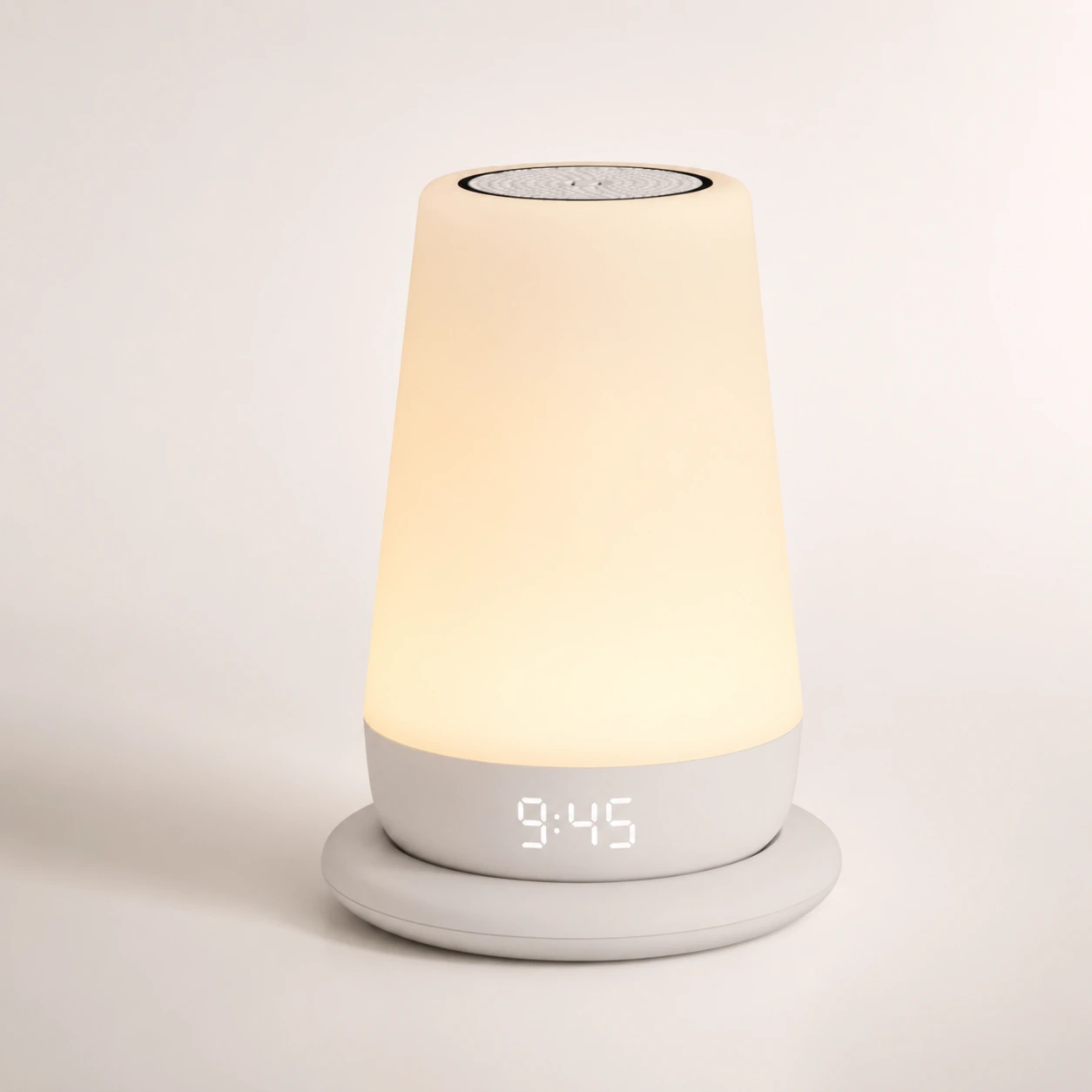
Hatch Rest+ 2nd Gen
Rest+ is the more configurable family option when caregivers want routines that can change with age and schedule.
Rest+ 2nd Gen combines a sound machine, color light, time-to-rise routines, app-led scheduling, and an internal battery with a charging base. It gives caregivers more flexibility than a single-color training clock.
Compare for a simple sleep and wake display
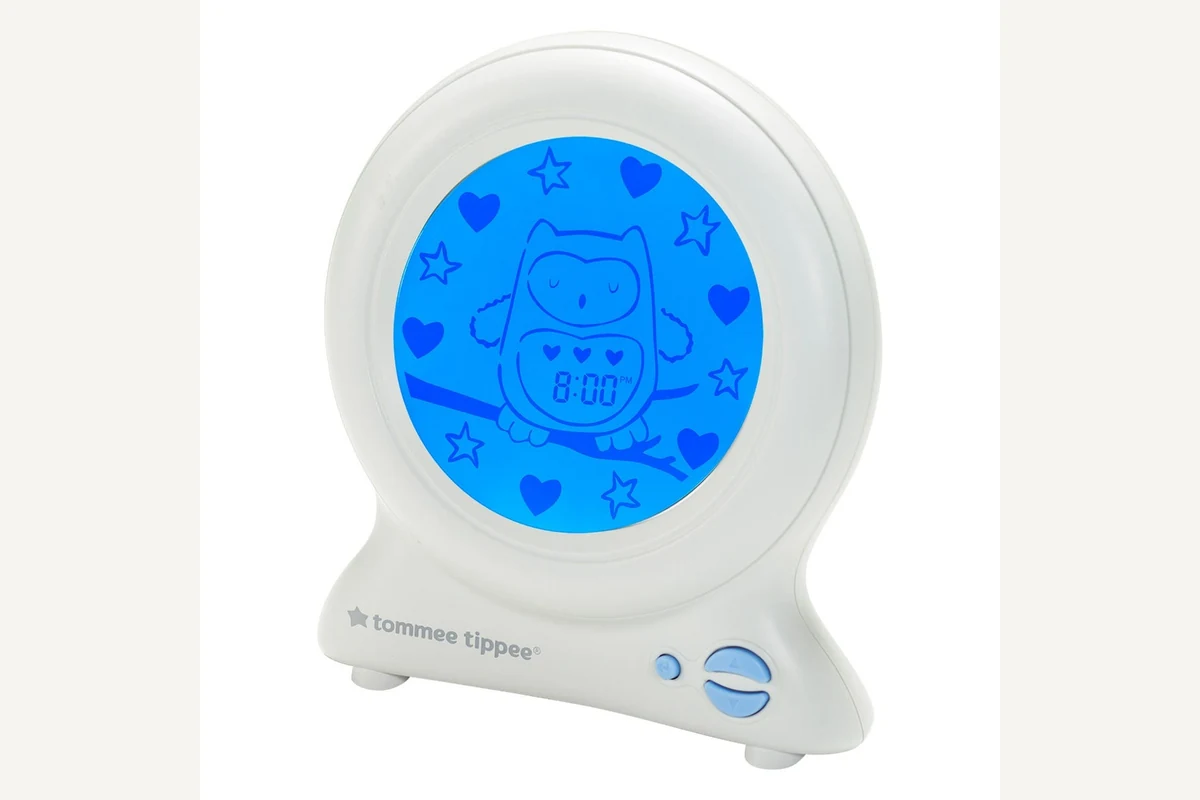
Tommee Tippee Groclock
Groclock keeps the visual sleep/wake rule comparatively simple for a household that does not need a large sound library.
Groclock shows a visual sleep-to-wake progression, supports separate sleep, nap, and wake times, and offers an optional digital clock face and audible alarm.
Evidence trail