Commercial feature guide
Dual Alarm Clocks: Two Times Are Not the Whole Feature
A clock can advertise two alarms while sharing the same source, volume, or repeat pattern. The useful details sit one level deeper.
The decision first
What must be independent besides the two times?
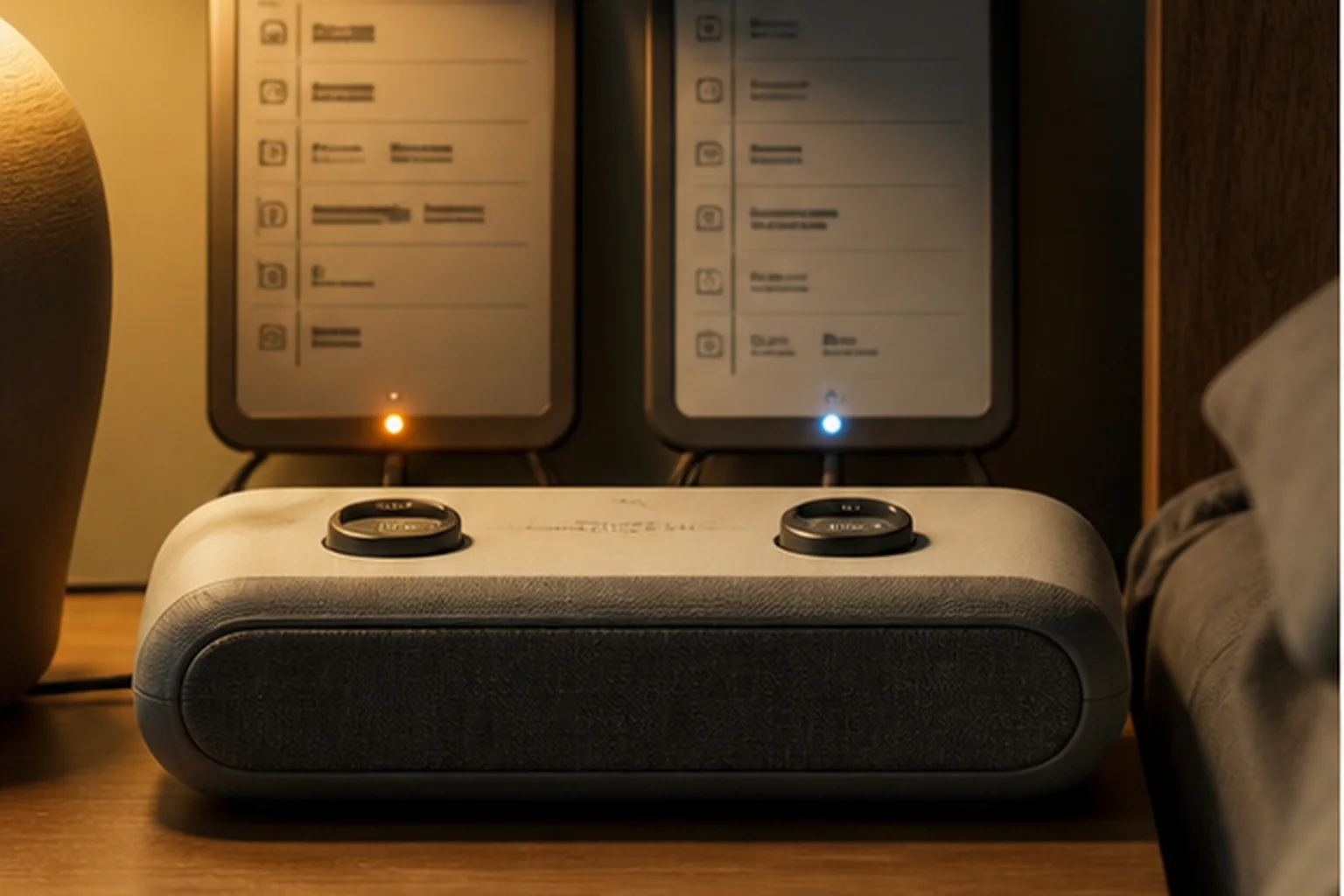
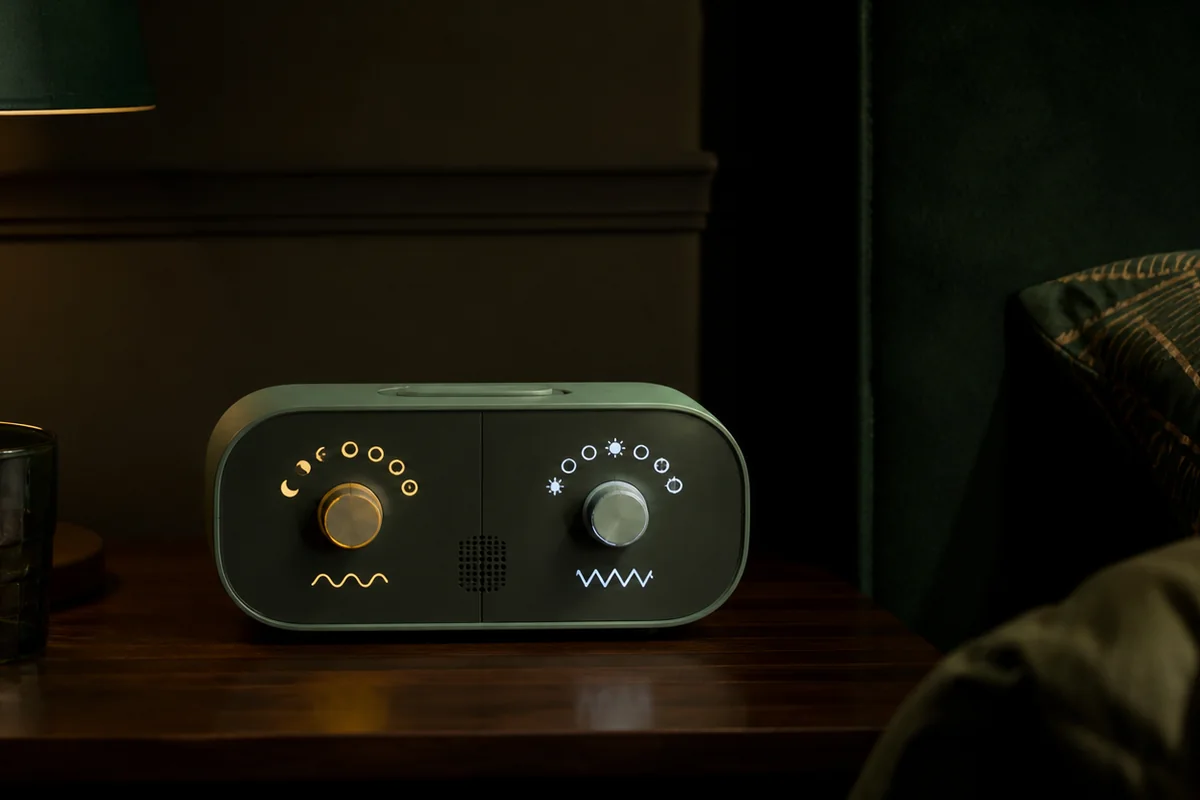
The words “dual alarm” are not enough. Confirm what is independent: time, days, wake source, volume, and on/off state. Couples often need locality as well as two schedules. A second alarm on the same device is not an independent power backup.
Nonnegotiable checks
The criteria that can change the answer
Schedule independence
Separate weekday, weekend, or daily rules.
Source independence
Tone, radio, light, or vibration choices for each alarm.
Visible state
The display should show which alarm is active without excessive glare.
Reset behavior
Check what snooze, stop, and power loss do to each alarm.
What changes in practice
Compare the trade-offs, not the feature count
| Route | Decision value |
|---|---|
| One clock, two alarms | Compact and simple, but one power path. |
| Two separate clocks | Independent hardware, with more space and setup. |
| Shared source | Easy to configure, less useful for different sleepers. |
| Separate sources | Better fit, with more controls to verify. |
Audit independence
Two time slots are only one axis of a dual alarm
The word “dual” establishes that two alarm entries exist. It does not establish how independent they are. Check time, day pattern, wake source, volume or intensity, active state, and stop/snooze behavior. A clock may allow 6:00 and 7:30 while forcing both alarms to use the same buzzer and volume every day. Another may let one use radio and one use sound, with separate weekday and weekend rules.
Write a two-column setup before buying. For Alarm 1 and Alarm 2, record time, days, source, volume, owner or purpose, and indicator.
If any cell must differ, the product must explicitly support it. Couples often need different sources or locality, not merely different times. Shift workers may need selectable days rather than a fixed weekday/weekend split. A single user may use the second alarm as a later backup and still share one hardware and power path.
Check the controls used to enable each alarm. Distinct switches or indicators can reduce uncertainty. A shared menu can support more flexible rules and make the active state harder to see. The best implementation is the one that exposes the required independence without creating nightly setup work the user will not sustain.
- Time: can both alarm times be set and viewed separately?
- Days: daily, weekdays, weekends, or selected days for each?
- Source and level: can tone, radio, light, or volume differ?
- State and controls: can each alarm be armed, stopped, and verified without affecting the other?
Match the schedule
Couples, weekday routines, rotating work, and backups need different dual-alarm logic
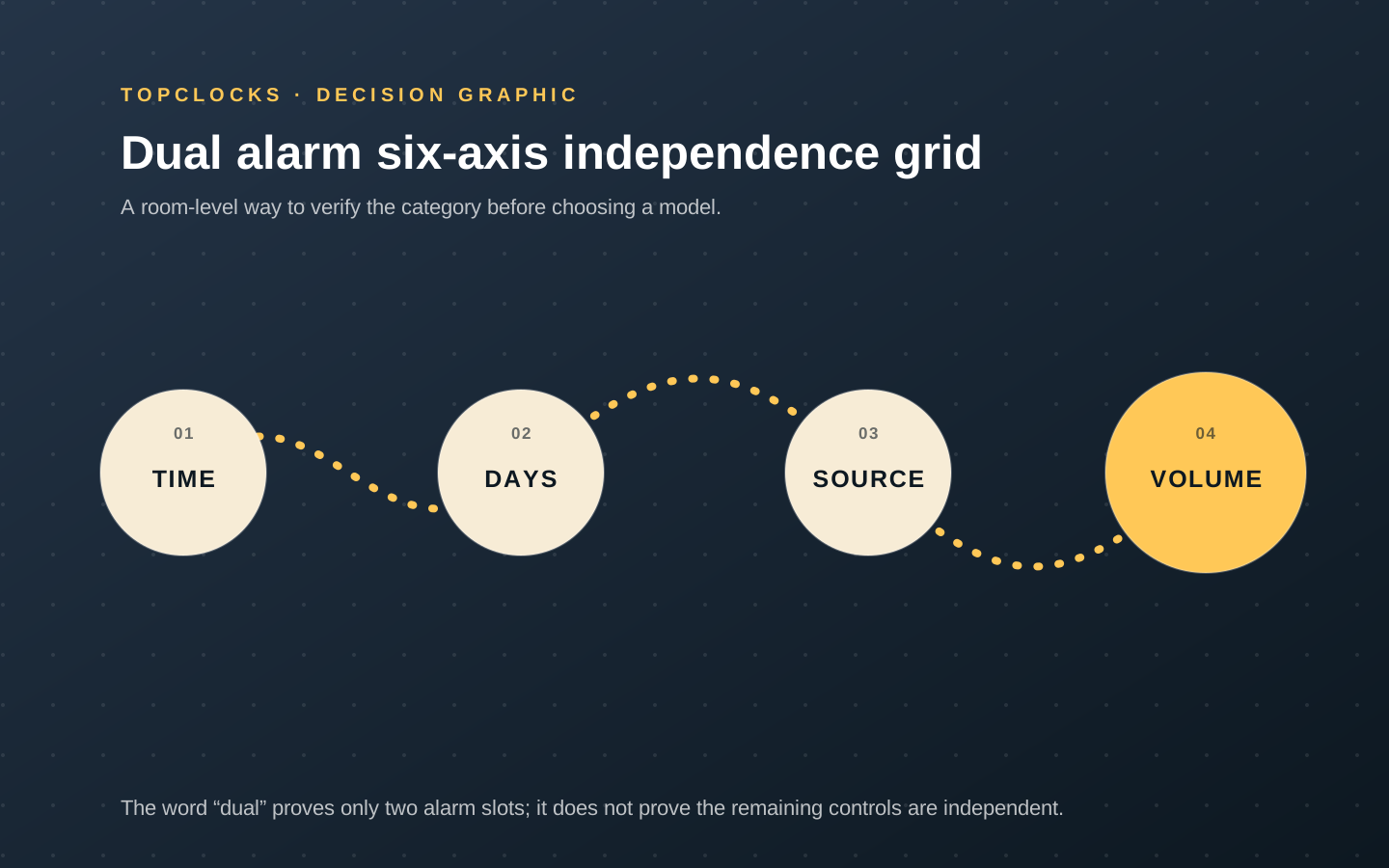
A couple with different times may need two schedules and a local signal for the early sleeper.
One speaker with two alarms solves scheduling and not privacy. A weekday/weekend household may need two fixed day patterns and one shared source. A rotating worker may need selected days or frequent manual changes; app control may reduce effort and add dependencies. A single heavy sleeper may use the second alarm as a later cue with a different source, if the model supports it.
Name the scenario before choosing the feature. Fixed Monday-through-Friday and weekend modes are efficient when they match the calendar and restrictive when they do not. Daily repetition is simple and creates manual on/off work around days off. Selected-day schedules are flexible and require clear verification. Two independent devices can solve more unusual patterns while adding space, power, and maintenance.
Check how snooze and stop interact. Stopping Alarm 1 should not silently disable Alarm 2 when the second protects another person or a later deadline. A global alarm-off button can be convenient and risky. Test the exact sequence and inspect indicators afterward.
- Choose fixed patterns when the household calendar is stable.
- Choose selected-day or app scheduling only when the extra flexibility will be maintained.
- Use signal locality as a separate couples requirement.
- Use separate hardware when the second alarm must cover device or power failure.
Do not confuse slots with redundancy
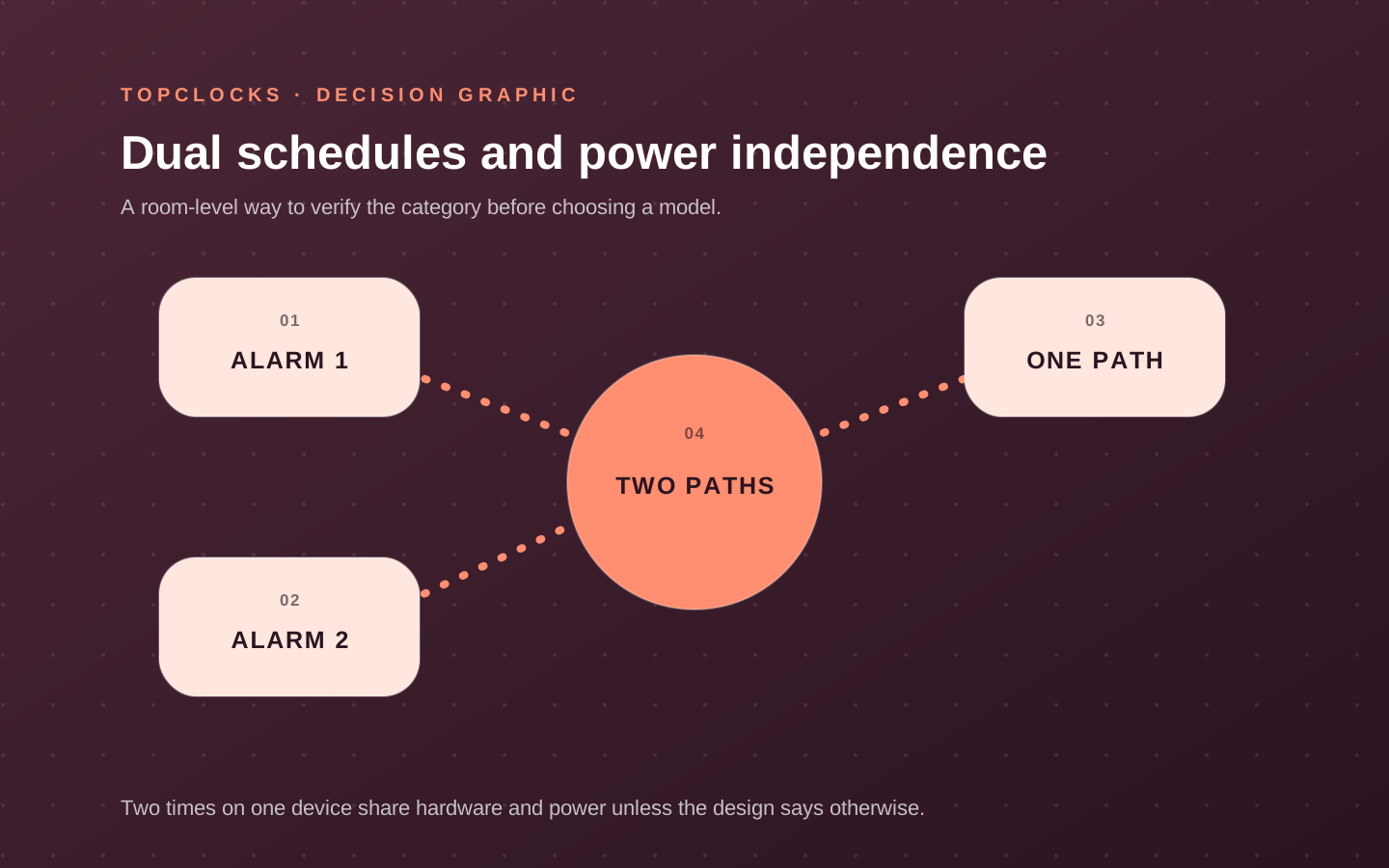
Two alarms on one clock still share hardware and power
Alarm 1 and Alarm 2 can be fully independent in time and source while depending on one outlet, adapter, clock circuit, speaker, display, and control surface. The second slot protects scheduling and provides a later cue. It does not protect failure of the device. If the consequence is high, add a separate battery or otherwise independent device rather than assuming “dual alarm” means backup.
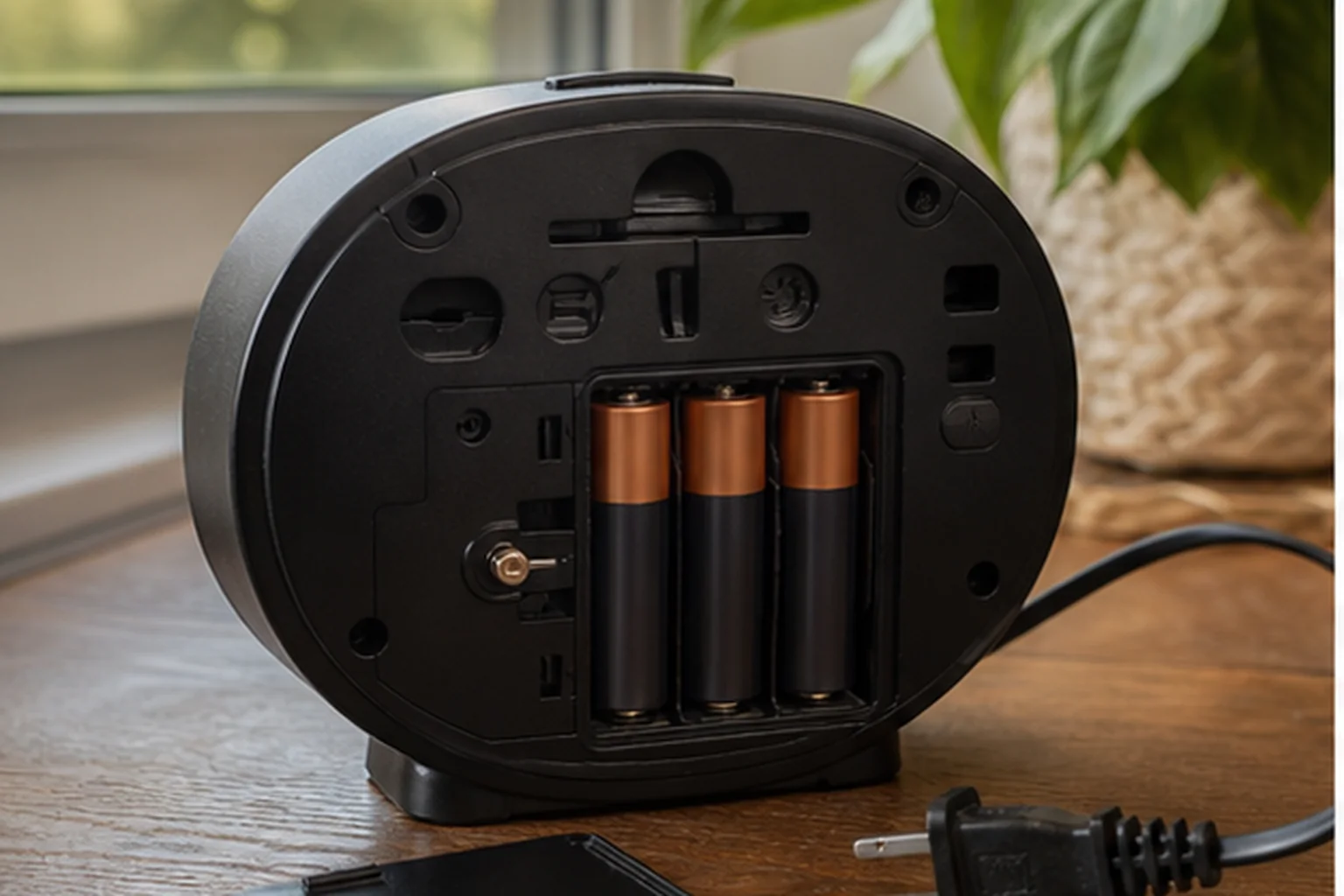
Read the power-failure behavior for both alarms. A battery can retain schedules while leaving the clock silent, or allow a limited buzzer while radio and display remain off. Confirm which alarm fires if both are scheduled during an outage, what source is used, and what remains armed after power returns. Do not infer from a general family manual if the exact model differs.
Run a controlled test with Alarm 1 and Alarm 2 set a few minutes apart. Use different days or sources if supported. Press snooze on one and stop the other. Then perform the documented daytime outage test. Observe every active indicator and the next-day state. Complexity that cannot be verified is not useful independence.
- Separate schedule redundancy from hardware redundancy.
- Confirm both stored alarms after a power interruption or reset.
- Test global stop, individual stop, and snooze effects.
- Use a second device and different power path when true backup is required.
Compare implementations
Shortlist a flexible radio clock, a simple two-time clock, and a two-profile sunrise clock
Emerson ER100401 represents a dual clock radio with day-pattern scheduling and charging features. Sharp SPC100D represents a simpler two-time audible clock. Philips SmartSleep HF3520/60 represents two sunrise alarm profiles with light and sound. These models show why dual-alarm cards should explain source, days, controls, display, and room impact rather than ranking two slots as one feature.
Verify the exact current manual for time and day independence, sources, volume, active indicators, snooze/stop, display brightness, power, and backup. For a sunrise model, determine whether light settings and final sounds are independent and how both profiles affect a shared room. For a radio model, confirm saved station and fallback. For a simple model, accept the smaller feature set only when it matches the schedule.
Build the actual weekly schedule on each candidate within the return window. Test both alarms on different days and sources, power-cycle the device, and inspect the active state. Ask a partner what they hear or see. Remove obsolete alarms after schedule changes so the display does not show an active slot no one remembers.
- Reject a model whose two slots do not differ on the axis the user needs.
- Reject a one-device solution when independent hardware is nonnegotiable.
- Reject an interface that hides which alarm is armed.
- Prefer the smallest scheduling system that reproduces the real week without nightly repair.
Verify in the room
Check what the two alarms actually keep separate
Two stored times are only the first layer of a dual alarm. Days, source, volume, snooze, active indicators, controls, and outage behavior may remain shared. Treat this as a selection experiment for dual alarm clocks, not a claim that one model will work for every sleeper. The objective is to expose a mismatch while the clock can still be returned, moved, or reconfigured.
Set two alarms a few minutes apart with different intended users or schedules. Arm both, snooze the first, stop it, interrupt power, and verify what remains for the second. Keep the first run deliberately ordinary. Extreme settings can hide a placement problem, and a special one-night routine does not show whether the setup is maintainable on workdays, school days, weekends, and schedule changes.
Dual operation fails when changing one alarm alters the other, one stop action cancels both, the display cannot show which is active, or shared output defeats the reason for separate schedules. Write the likely failure before running the test. That note prevents a bright display, attractive sound library, charging pad, or app from receiving credit for a wake path it cannot protect.
Record time, days, source, volume, indicator, snooze state, stop action, and recovery behavior for alarm one and alarm two separately. A simple dated log is enough. Avoid converting one successful morning into a universal result; repeat the check after changing bedding, furniture, power, software, room, or schedule because the signal path may have changed.
- Two times: write the observed state, not a yes-or-no impression. Add the condition that produced it and the next check if the result was unclear.
- Day independence: write the observed state, not a yes-or-no impression. Add the condition that produced it and the next check if the result was unclear.
- Source independence: write the observed state, not a yes-or-no impression. Add the condition that produced it and the next check if the result was unclear.
- Volume independence: write the observed state, not a yes-or-no impression. Add the condition that produced it and the next check if the result was unclear.
- Snooze and stop: write the observed state, not a yes-or-no impression. Add the condition that produced it and the next check if the result was unclear.
- Active indicators: write the observed state, not a yes-or-no impression. Add the condition that produced it and the next check if the result was unclear.
A dual alarm passes when the fields that matter to the household remain independent and visible throughout the complete sequence. Reject the dual label when the required separation exists only between times while source, volume, days, or controls still conflict. If the result is mixed, do not average it into a score. Preserve the unresolved condition and compare only models that give you a direct way to verify it.
When reading product pages for dual alarm clocks, translate each promising label back into an observable state. “Reliable” should identify the cue that survives the expected power and dependency conditions. “Easy to use” should identify who sets the alarm, in what light, and how the active state is confirmed. “Best” should disappear unless the scenario and disqualifiers are stated beside it.
Close the hidden gaps
Questions that settle a choice about dual alarm clocks
For dual alarm clocks, these questions close the gaps left by retailer filters and broad “best alarm” lists. Each answer is a boundary for the shortlist, not a promise about an untested model.
What should be tested before buying dual alarm clocks?
Set two alarms a few minutes apart with different intended users or schedules. Arm both, snooze the first, stop it, interrupt power, and verify what remains for the second. Use the exact device revision and current manual when a control, accessory, app, or backup behavior affects the result.
Which failure should be ruled out first?
Dual operation fails when changing one alarm alters the other, one stop action cancels both, the display cannot show which is active, or shared output defeats the reason for separate schedules. Test that failure first, while the consequences are low, instead of increasing every setting at once.
How many checks make the result dependable?
Within this review of dual alarm clocks, one successful check confirms that the setup can work; it does not show that it is robust. Repeat it on ordinary mornings and after any change that affects the signal, power, placement, schedule, or stop action. High-consequence mornings deserve an independently tested backup.
Can specifications settle the choice?
Specifications and manuals can narrow the shortlist for dual alarm clocks by establishing intended controls, compatibility, power requirements, and operating states. They cannot establish what one sleeper will hear, see, or feel through a particular room and bed. Keep documented facts and room observations separate.
When should a candidate for dual alarm clocks leave the shortlist?
Reject the dual label when the required separation exists only between times while source, volume, days, or controls still conflict. A disqualifier should remove the model before price, design, reviews, or optional content are compared.
What does a passing result look like?
A dual alarm passes when the fields that matter to the household remain independent and visible throughout the complete sequence. The result should be visible in the log and repeatable without a special workaround that the household is unlikely to maintain.
Finish the decision about dual alarm clocks by writing one sentence: “This setup should wake this person, in this room, through this signal, under these power conditions, and it will be checked this way.” If any blank remains, the page has identified the next research task rather than pretending the purchase is settled.
Before relying on it
Run the complete alarm path
A product page can confirm features. Only a real setup check confirms that the selected signal, placement, controls, and power path work together in the room.
- Set two different days.
- Assign two different sources.
- Check both active indicators.
- Unplug the clock during a daytime test.
Role-based product shortlist
Models worth comparing for this decision
These are desk-researched candidates, not a claim that one clock wins for everyone. Each card explains the scenario it fits, the limitation to verify, and the primary source used for the factual details.
Compare for two schedules and faster wireless charging
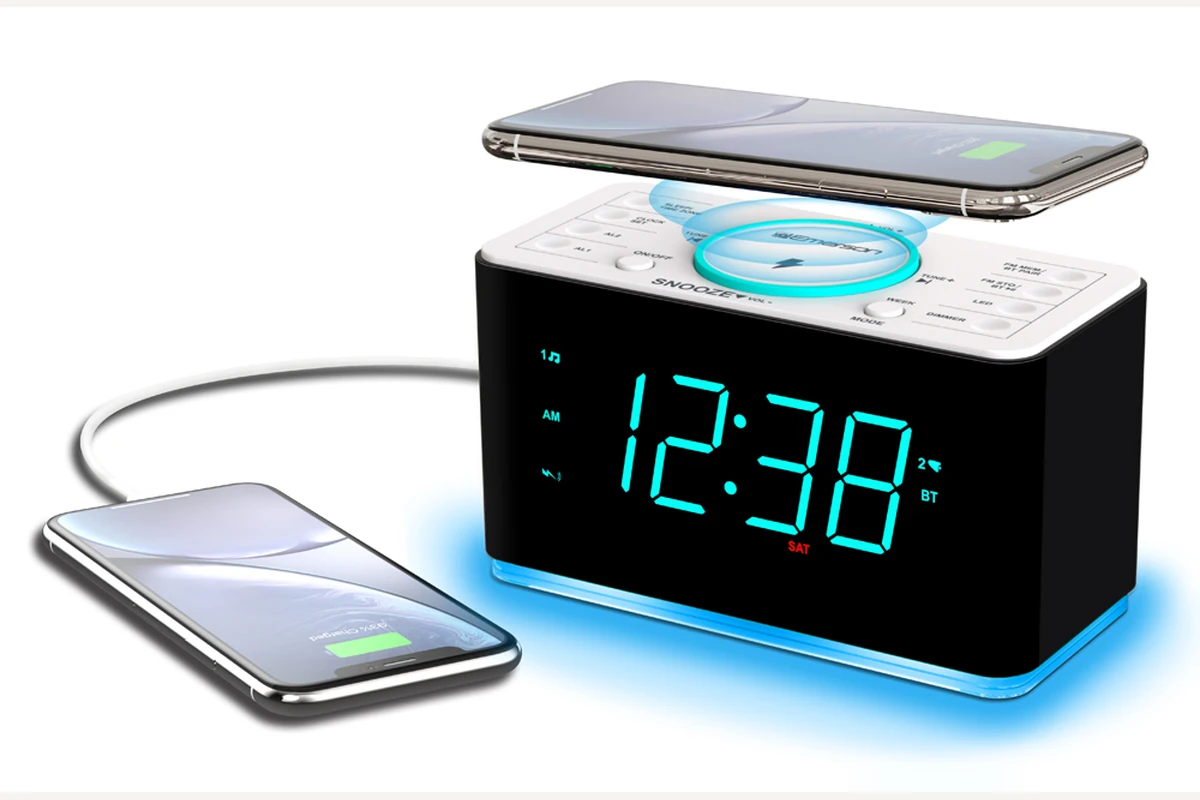
Emerson SmartSet ER100401
ER100401 supports two alarms and day-pattern scheduling, a better test than accepting the word “dual” on the box.
ER100401 provides dual alarms with daily, weekday, or weekend modes, FM radio, Bluetooth, a 15-watt wireless pad, USB charging, and automatic time setting.
Compare for two plainly separated alarm times
Sharp SPC100D
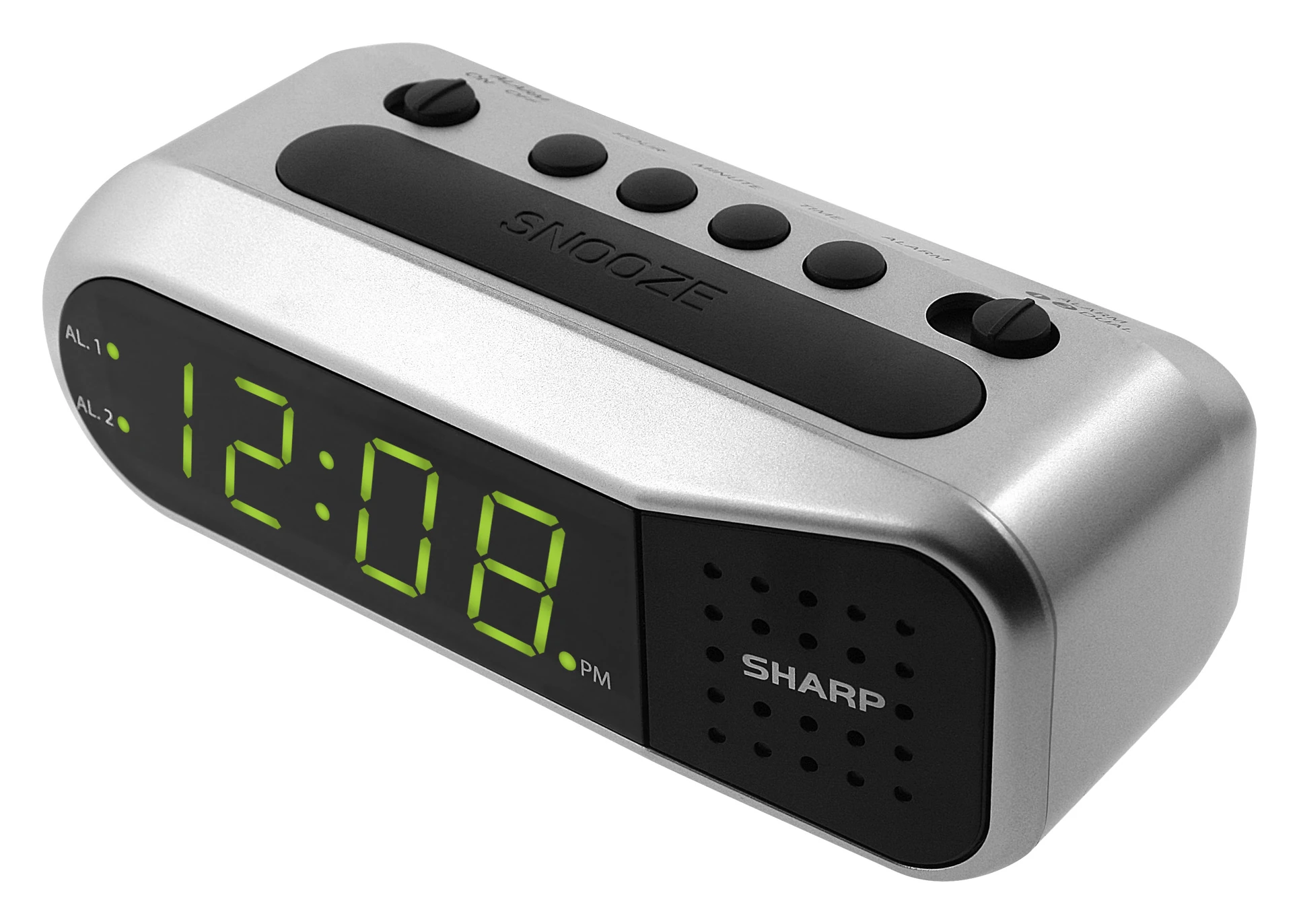
SPC100D is the simple two-time reference for readers who do not need different audio sources or app-based routines.
SPC100D is a straightforward dual-alarm clock with an ascending beep, a green 0.7-inch LED display, nine-minute snooze, and battery backup.
Compare for a rechargeable wireless shaker
ANJANK Wireless Bed Shaker Alarm Clock
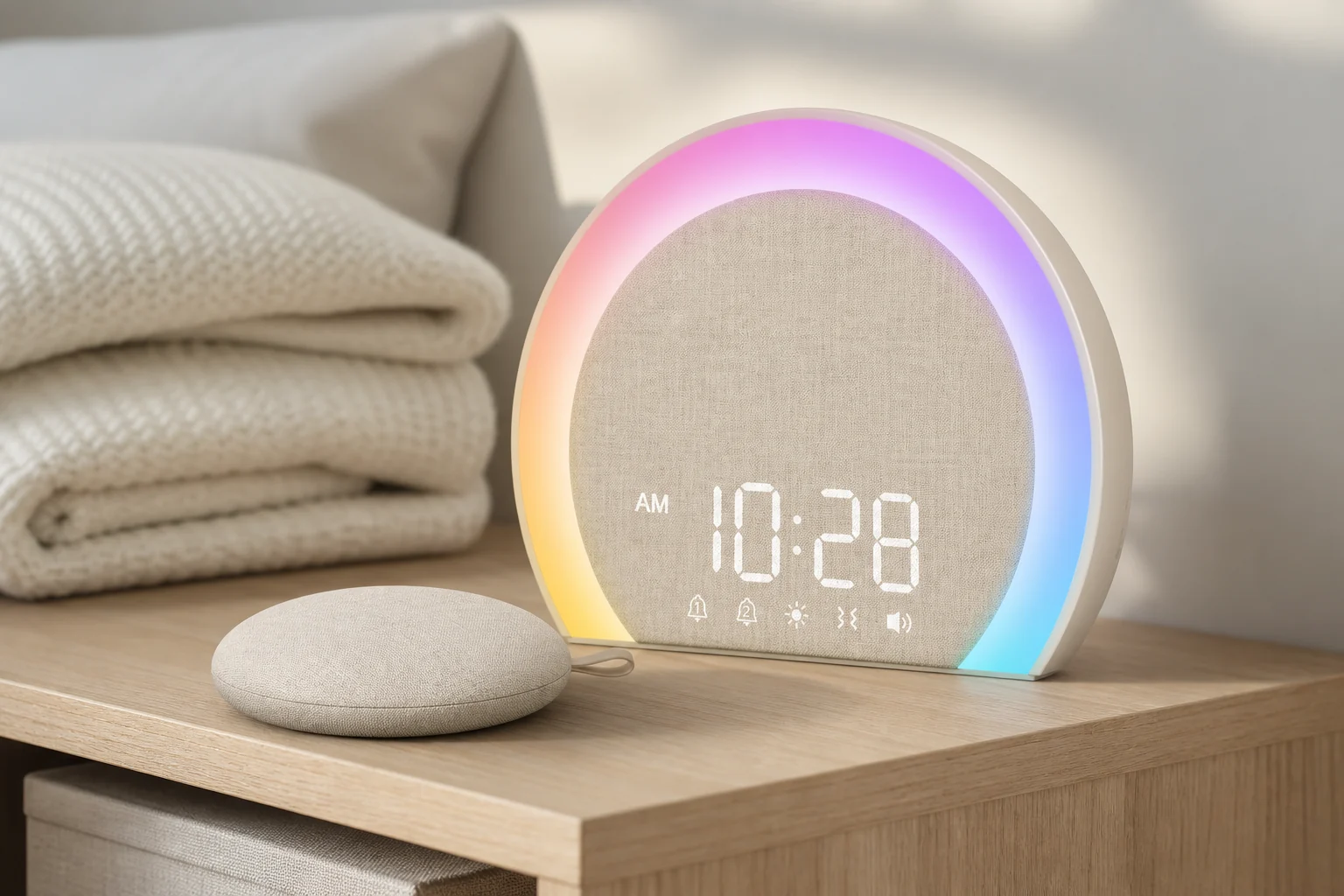
ANJANK pairs two alarm times with sound, vibration, or combined modes; verify the active mode and shaker charge for each required wake time.
ANJANK pairs a plug-in dual-alarm clock with a separate rechargeable wireless shaker. The puck has three vibration levels, while the clock provides eight sounds, adjustable volume, display-off, a night light, and a USB-C phone output.
Compare for a self-contained sunrise alarm
Philips SmartSleep HF3520/60
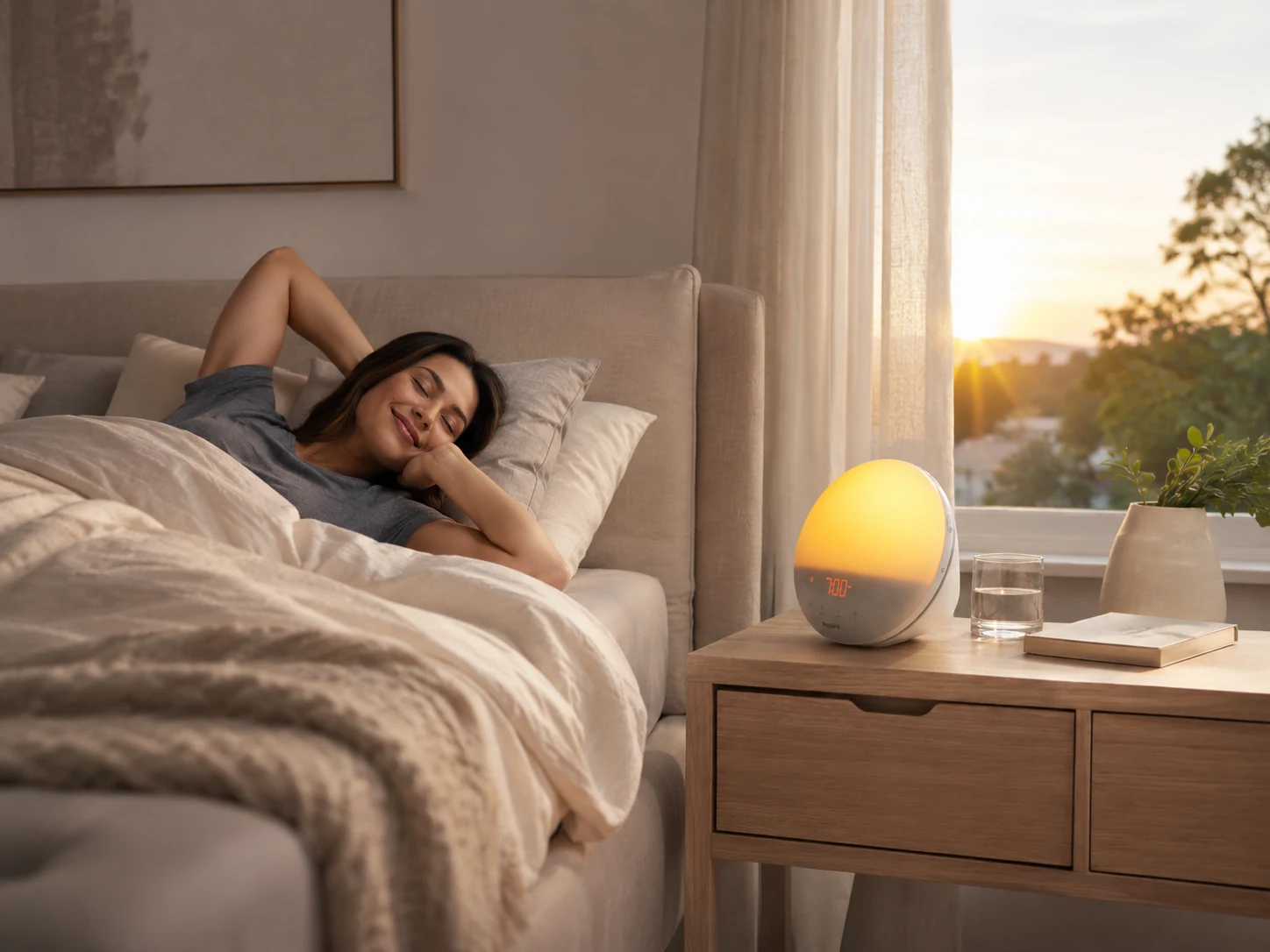
HF3520/60 adds two sunrise profiles, but buyers should still confirm how each profile handles light, sound, and active-day settings.
HF3520/60 provides an adjustable 20-, 25-, 30-, 35-, or 40-minute sunrise simulation, two alarm profiles, natural wake sounds, FM radio, tap snooze, and bedside controls without requiring an app or subscription. The default sunrise duration is 30 minutes.
Evidence trail