Ranked heavy-sleeper guide
6 Best Alarm Clocks for Heavy Sleepers in 2026, Ranked by Wake Path
“Heavy sleeper” describes a missed-alarm problem, not a product type. These six picks use different wake paths, so the right first choice depends on whether the sleeper misses the signal, silences it automatically, or needs a cue that starts earlier.
The decision first
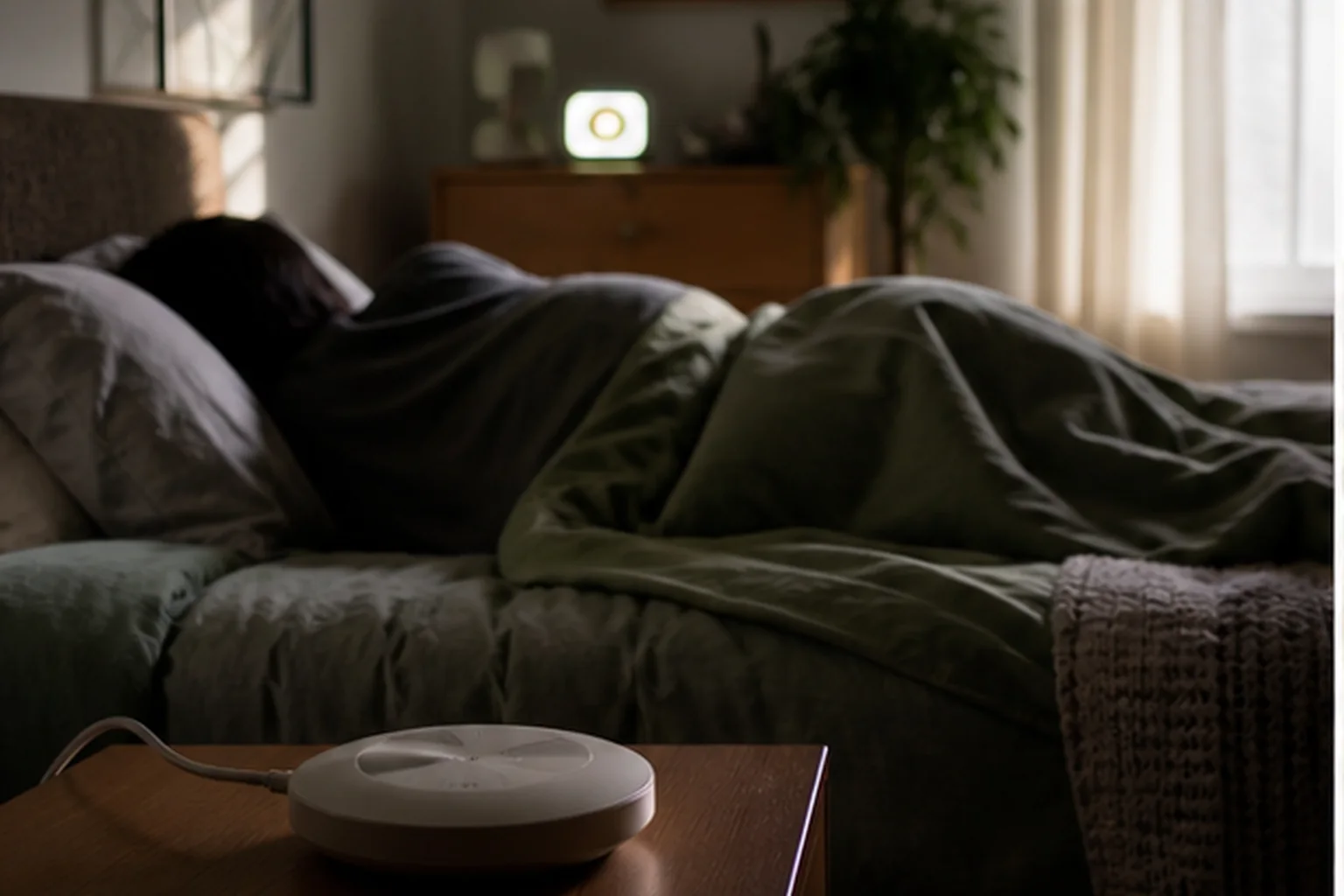
Do you miss the signal or silence it half-awake?
Start with the failure you can observe. Use sound plus vibration when an audible alarm never reaches the sleeper. Use a no-snooze or moving clock when the alarm is heard but dismissed automatically. Use gradual light and sound when the abrupt start is the problem, then keep a separate backup for a morning that cannot be missed.
Transparent research ranking
How We Scored the Six Alarm Clocks for Heavy Sleepers
The TOPCLOCKS Editorial Fit Score uses fixed anchors and weights, not Amazon stars or a claim that every model was measured in our lab. Current manuals, manufacturer documents, exact-model records, power behavior, and dated availability checks support the inputs. Partner links cannot affect the order. This page uses method version 1.0. Read the complete scoring method.
| Rank | Product image | Model | Best fit | Score | Evidence | Main limit |
|---|---|---|---|---|---|---|
| #1 |
|
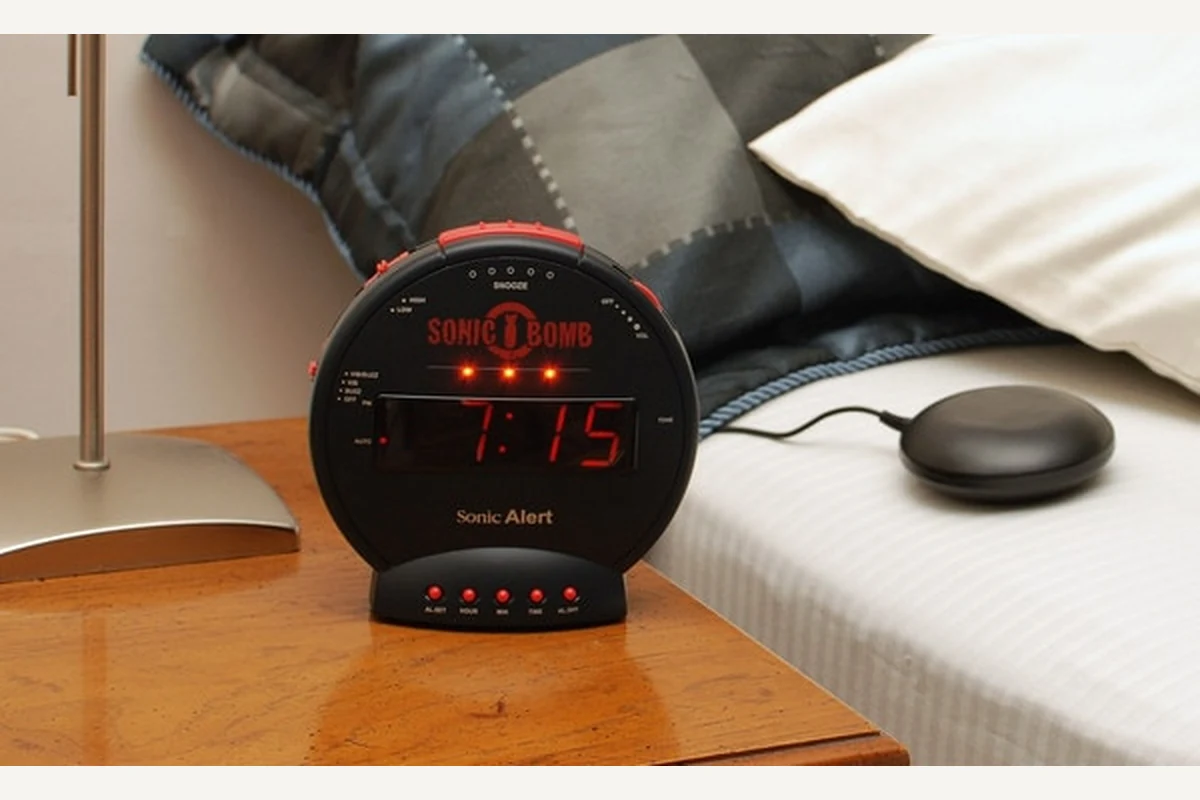
Sonic Alert Sonic Bomb SBB500SS | Best overall multi-signal wake path | 7.5/10 | Research-based score, checked August 30, 2026 | Its sound, flash, and shaker can affect a shared room, while backup cells retain settings rather than powering the complete alarm path. |
| #2 |
|
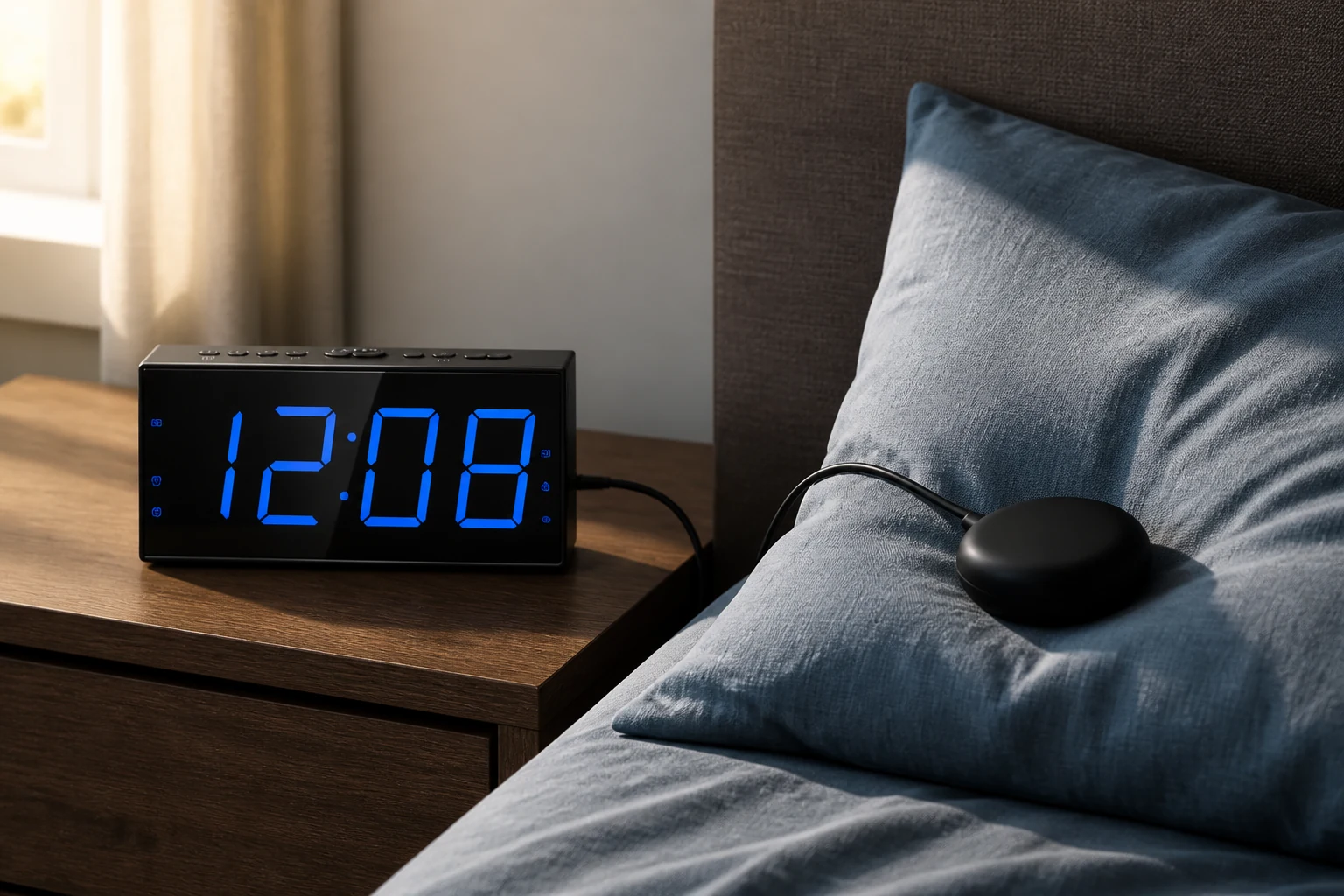
Roxicosly CR1001EM Bed Shaker Alarm Clock | Best budget wired bed shaker | 7.0/10 | Research-based score, checked August 30, 2026 | The available documentation does not support an extreme-loudness claim or a full outage alarm path. |
| #3 |
|
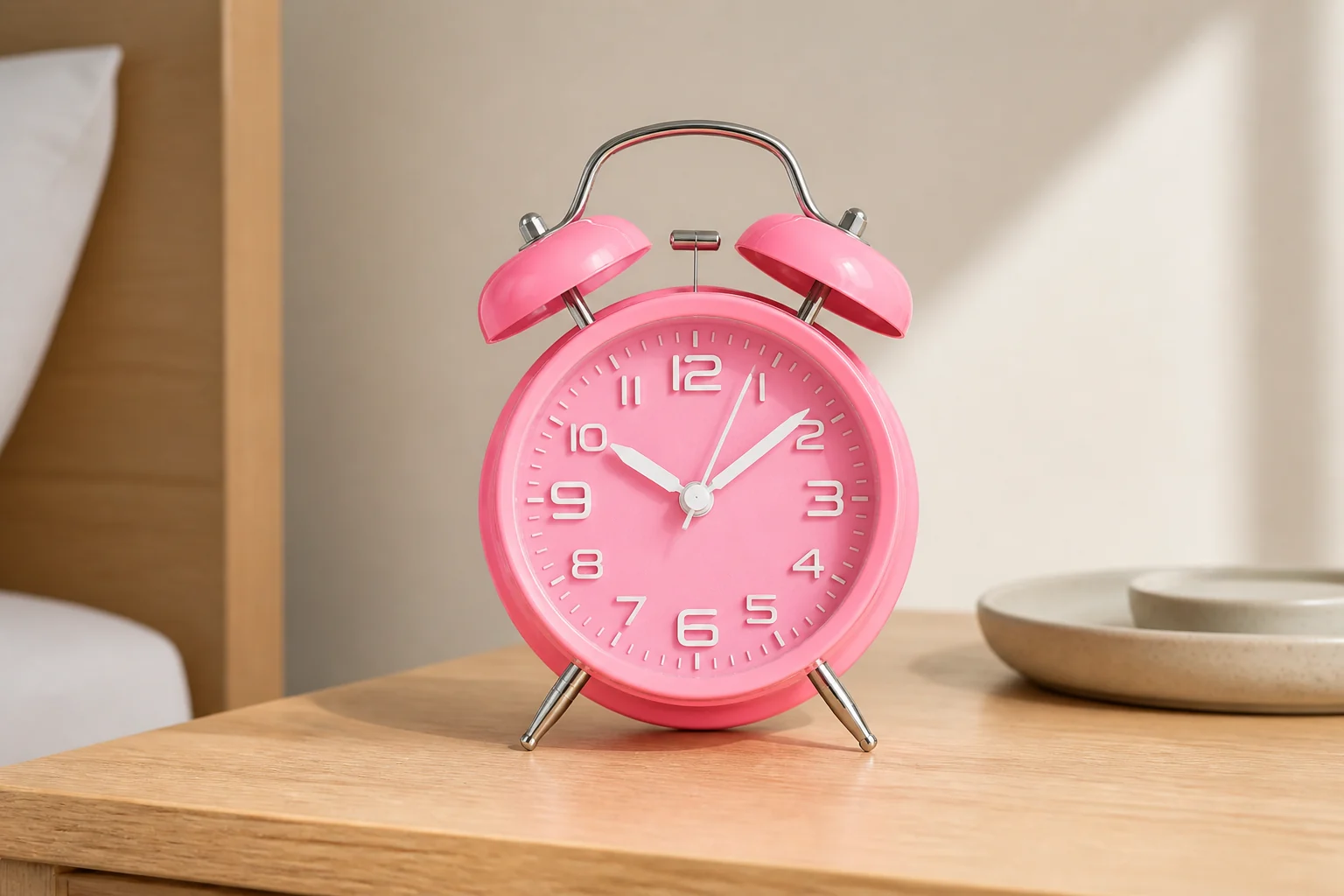
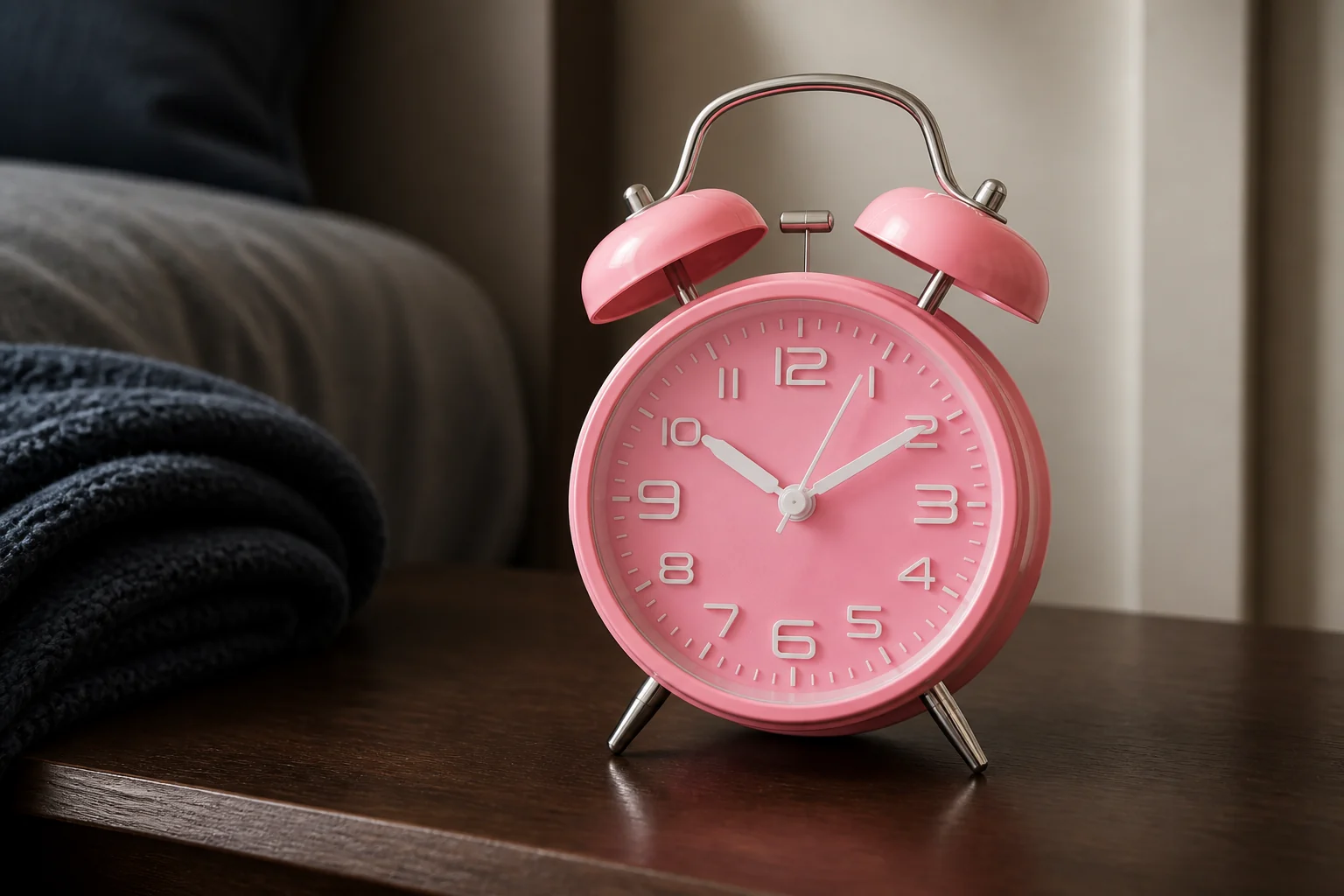
Peakeep MHP3122 Twin Bell | Best no-snooze battery twin-bell option | 6.7/10 | Research-based score, checked August 30, 2026 | It uses sound only, and the analog alarm hand is less exact than a minute-by-minute digital setting. |
| #4 |
|
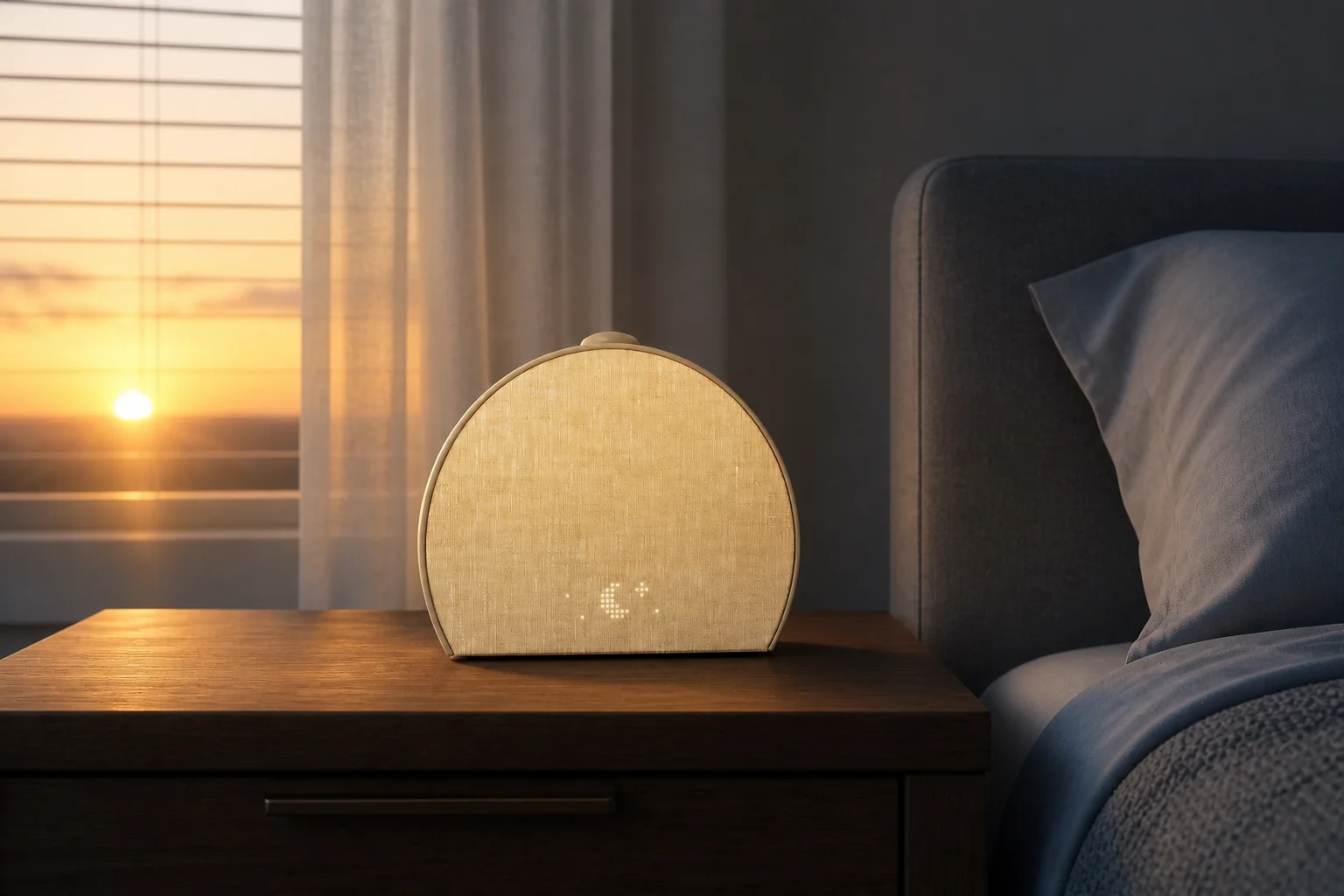
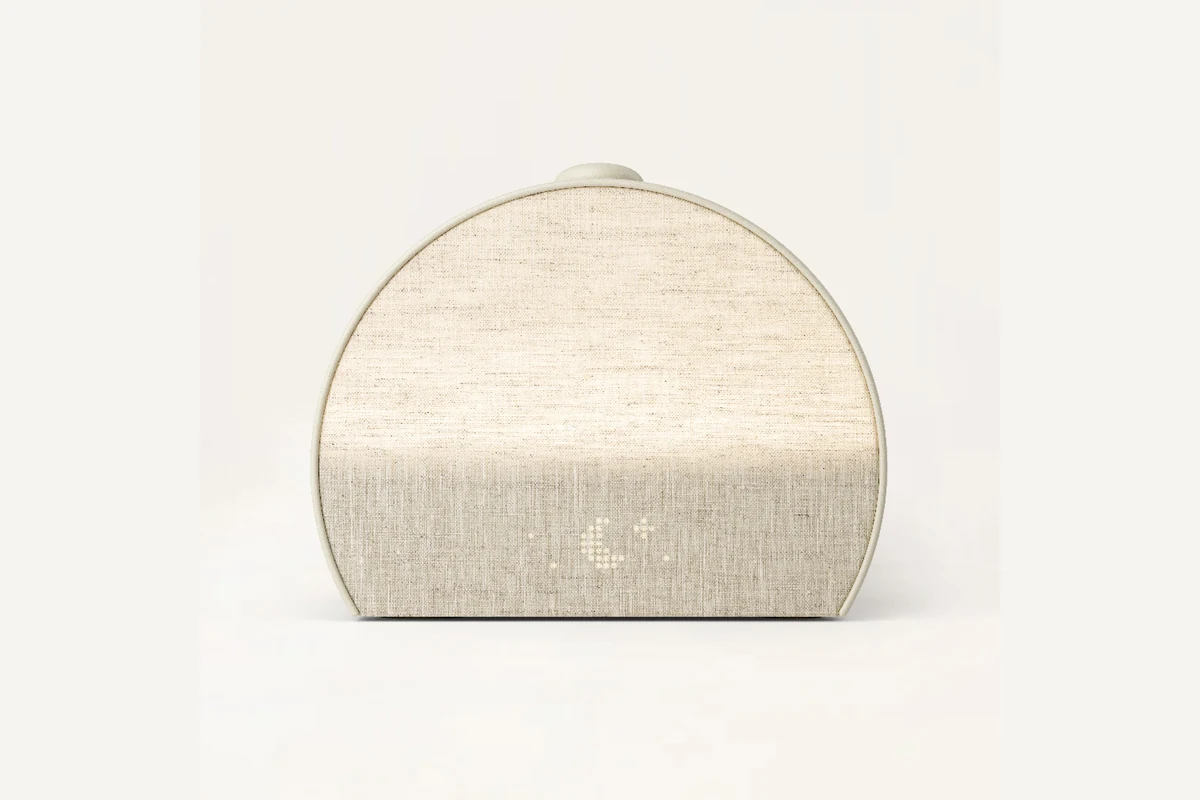
Hatch Restore 3 | Best gradual light-and-sound routine | 6.6/10 | Research-based score, checked August 30, 2026 | It is a plug-in premium system whose gentler cues may still need a separate backup for repeated missed alarms. |
| #5 |
|
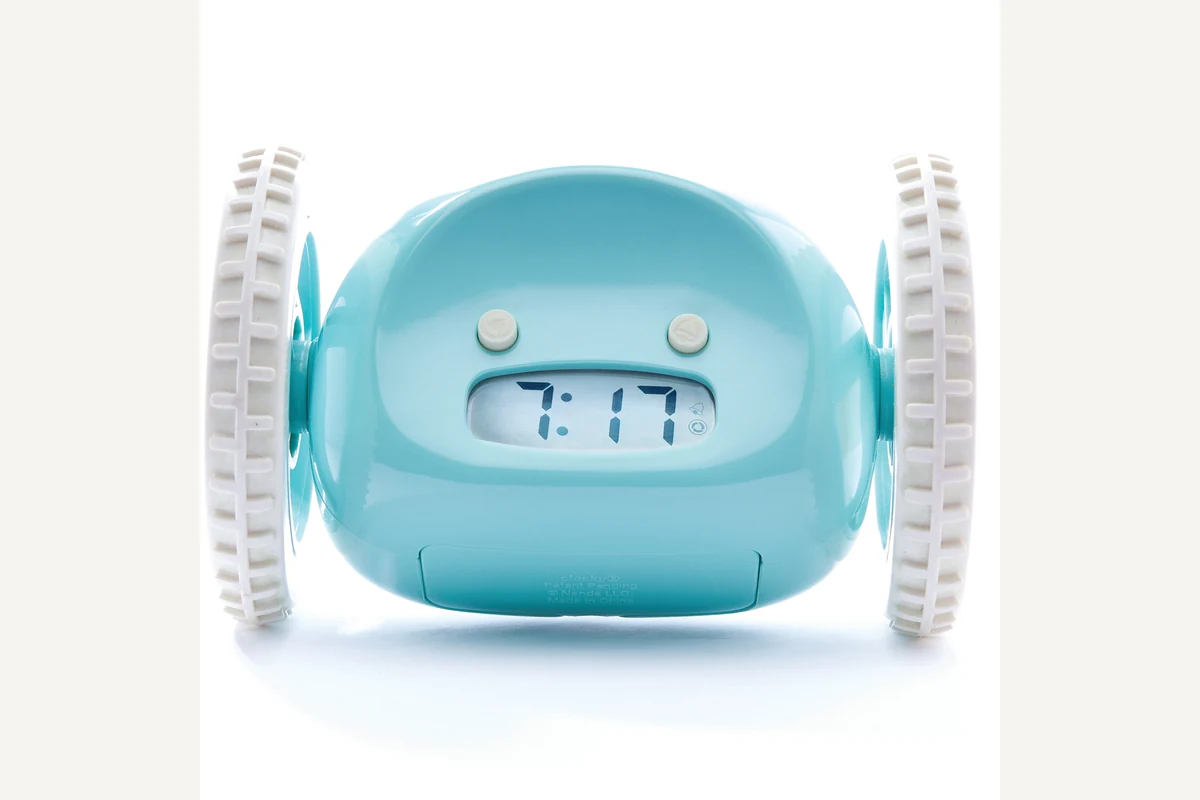
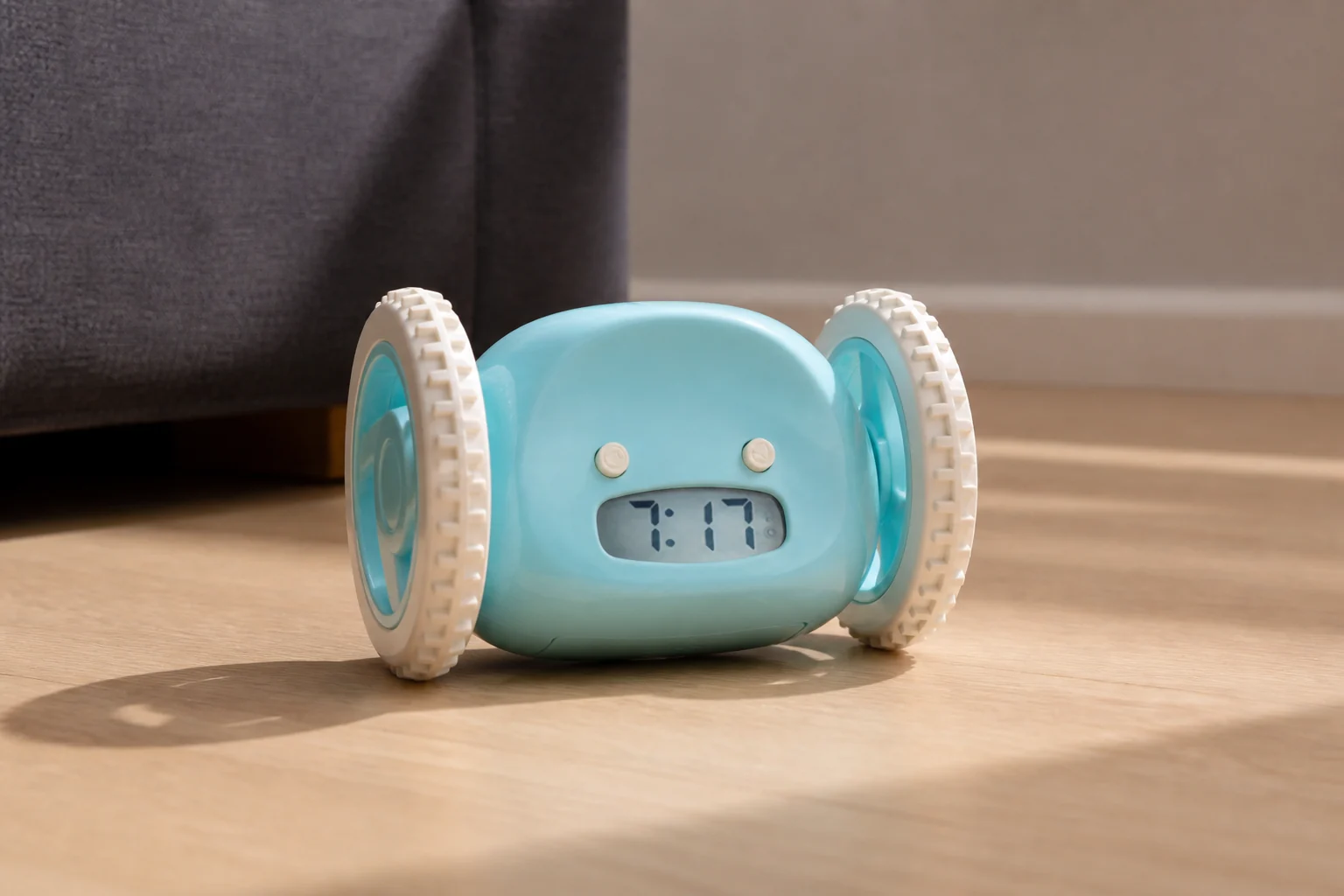
Clocky | Best for reflexive snoozing after the alarm is heard | 6.2/10 | Research-based score, checked August 30, 2026 | Movement changes the shutoff task; it does not add vibration, light, or a second signal for someone who never hears the alarm. |
| #6 |
|
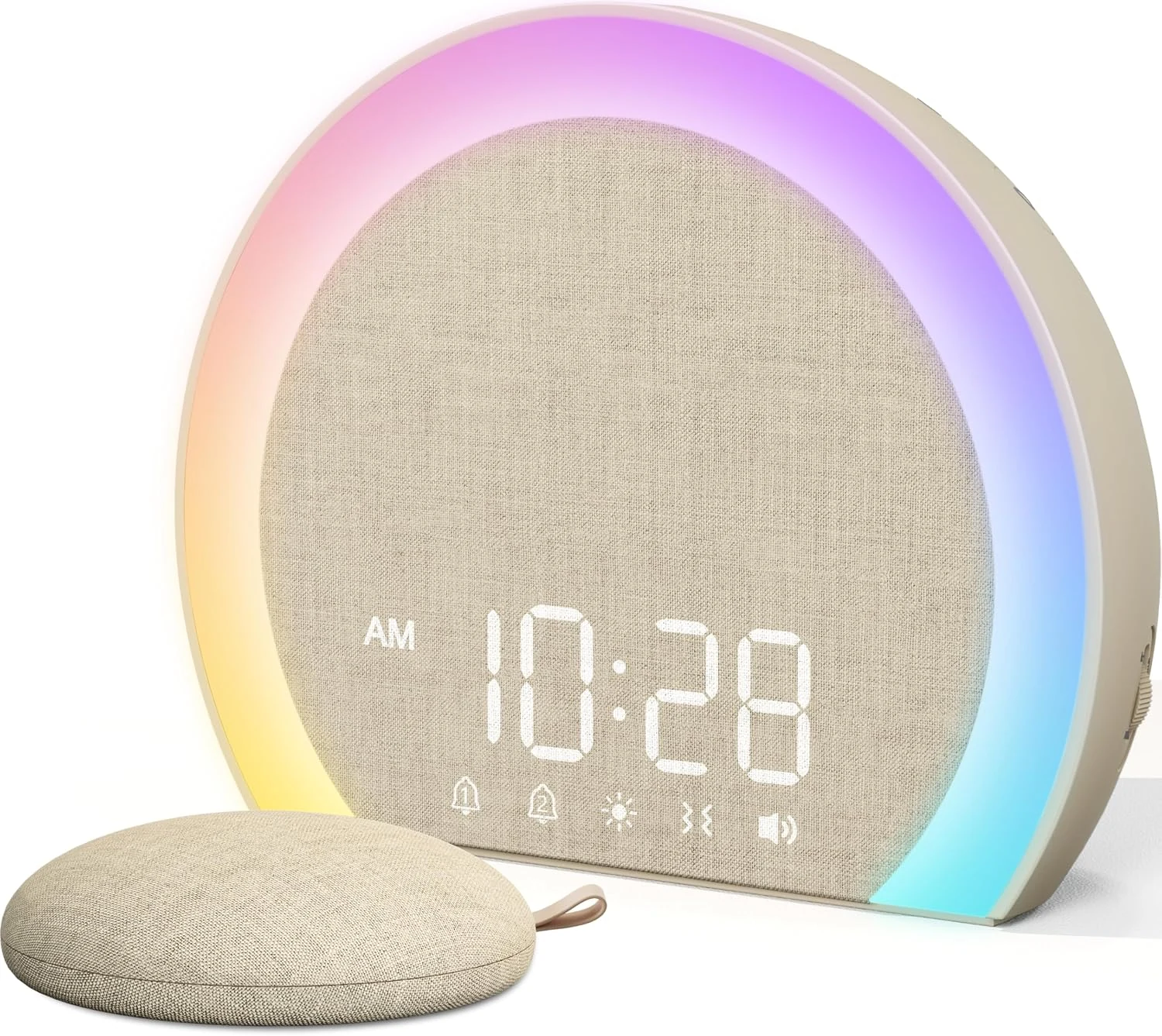
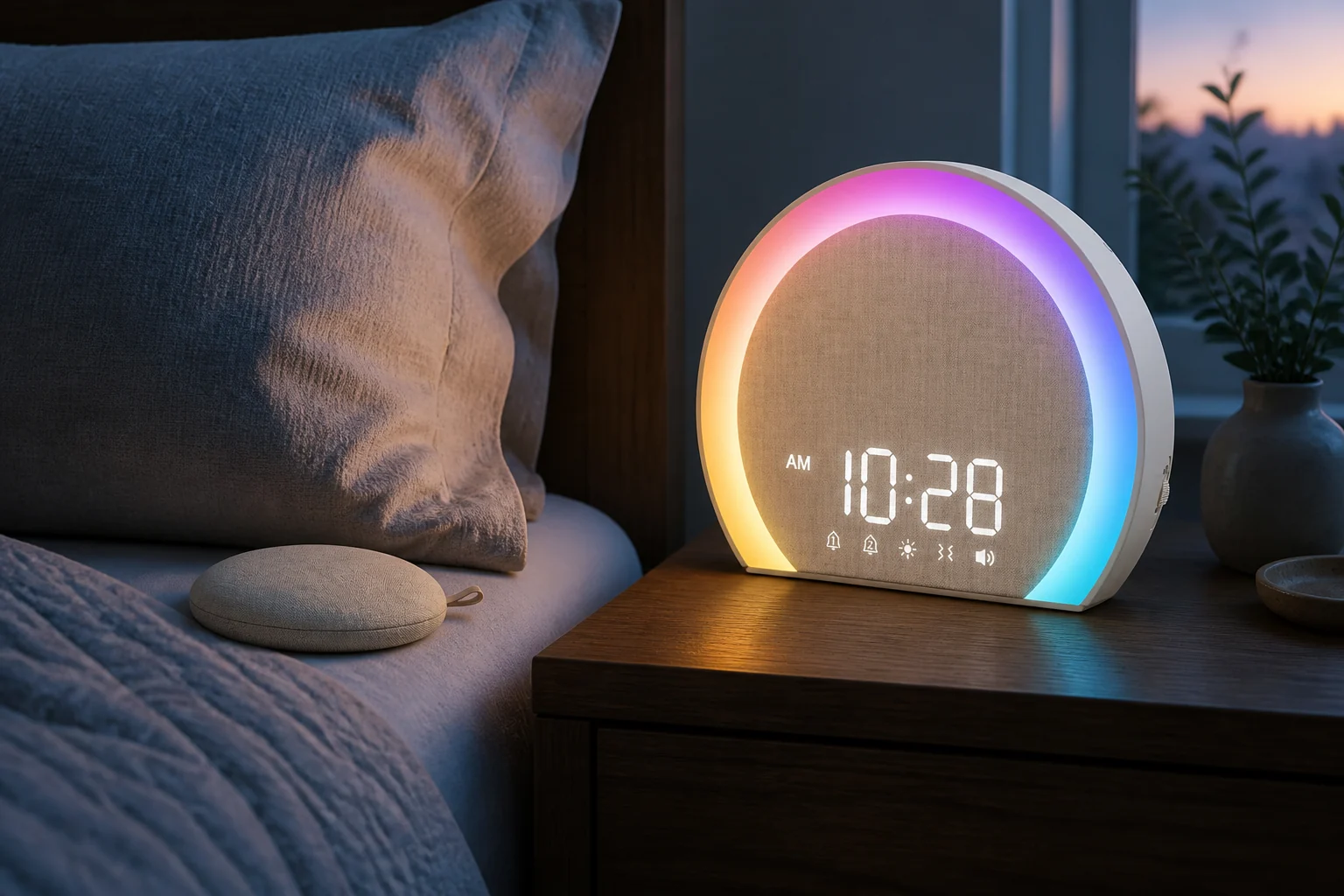
ANJANK KX213-Latte Wireless Bed Shaker Alarm Clock | Best cable-free bedside shaker | 6.0/10 | Research-based score, checked August 30, 2026 | The exact listing states there is no clock battery backup, and the puck adds separate charge, link, and placement states. |
Nonnegotiable checks
The criteria that can change the answer
Signal diversity
Sound plus vibration is more distinct than two similar tones.
Escalation
A gradual routine needs a final alert strong enough for the morning.
Placement
The device should be reachable deliberately, not silenced in sleep.
Routine check
Late sleep, medication, illness, or persistent difficulty need attention beyond shopping.
What changes in practice
Compare the trade-offs, not the feature count
| Route | Decision value |
|---|---|
| Loud sound | Simple and room-wide, with high partner impact. |
| Bed shaker | Physical and local, with placement risk. |
| Sunrise light | Starts before the alarm, but may not be sufficient alone. |
| Movement or task | Adds action, but can be disruptive or app-dependent. |
Diagnose before escalating
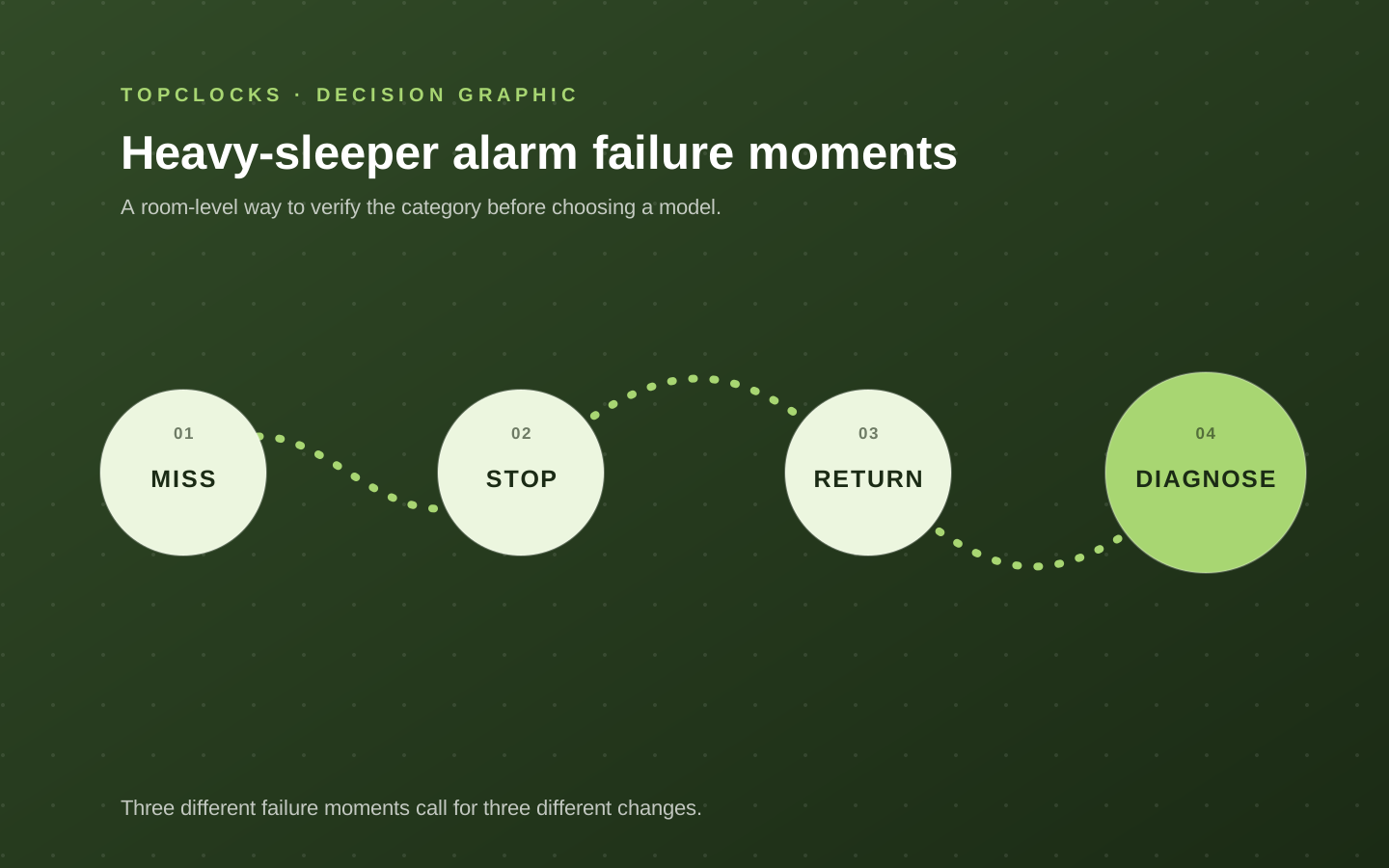
Missing the cue, stopping it, and falling back asleep are different failures
“Heavy sleeper” describes an outcome, not a single mechanism or product type. One person never notices the alarm. Another hears it and presses snooze without forming a memory. Another gets up, stops the device, and returns to bed. A fourth has a schedule or sleep concern that makes any product change insufficient. Treating all four as a need for maximum volume creates noise without locating the failure.
Reconstruct the last missed alarm.
Confirm that it was scheduled, powered, and audible or active. Ask whether anyone else heard it. Check phone logs or alarm state where appropriate, without treating them as medical evidence. Look at the stop location and snooze pattern. A device that never sounded requires a schedule or power fix. A tone heard by others but not the sleeper suggests signal access or placement. A dismissed alarm suggests a different required action. Returning to sleep suggests that the transition after waking needs attention.
Change one link at a time. Move the existing alarm, select a distinct tone, add vibration, begin a light cue earlier, or move the shutoff point. Test on a low-stakes morning. Stacking many alarms with similar tones on one phone makes the record harder to interpret and retains one device, speaker, power, and software path.
- No output: inspect schedule, day, volume, power, source, and active state.
- No perception: change the accessible channel or physical reach.
- Automatic stop: change placement, control, or required waking action.
- Return to sleep: build a deliberate next step and keep product claims within their limits.
Give every cue a job
Layer timing and channels instead of running everything at maximum
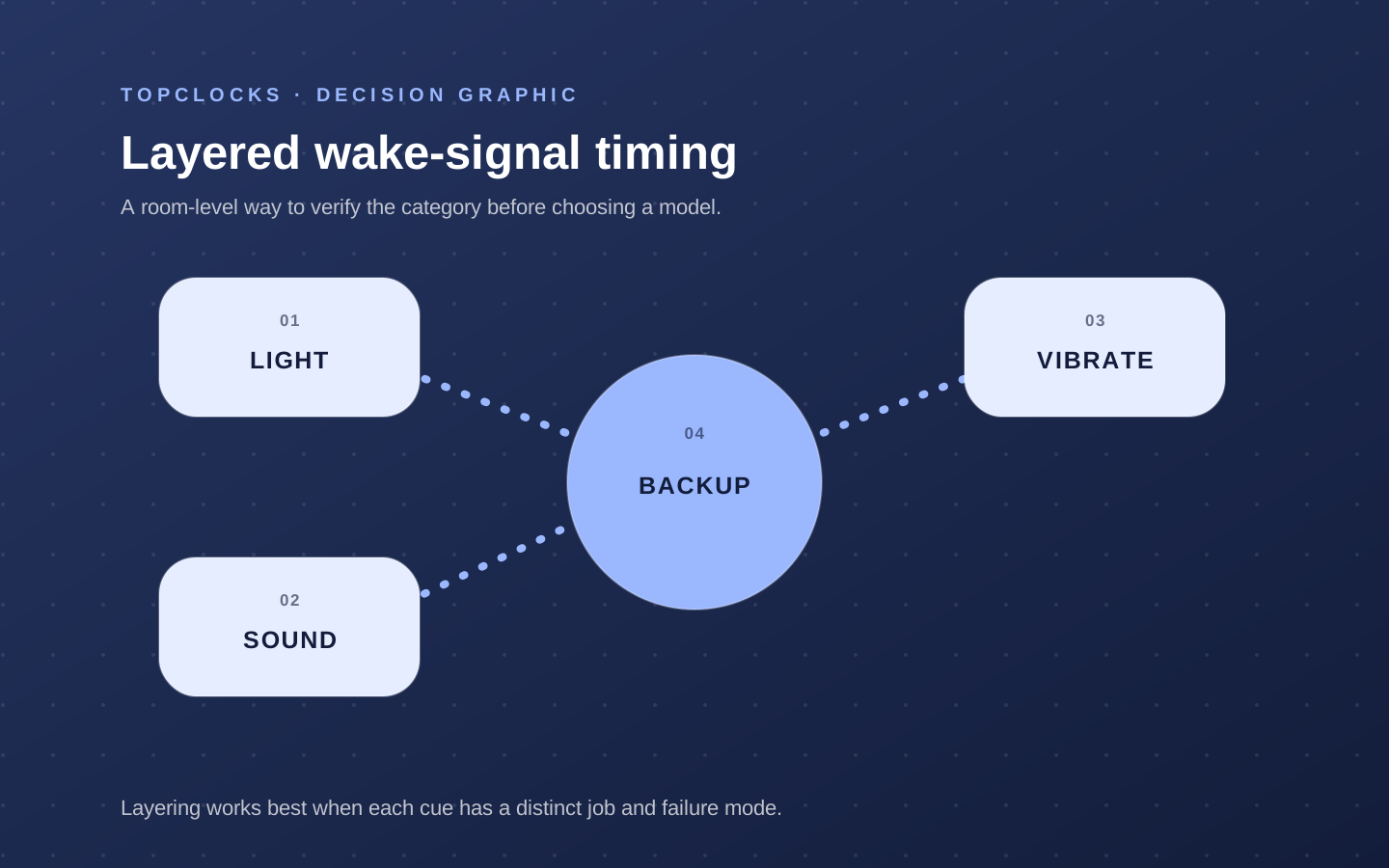
A layered routine can begin with gradual light, add sound at wake time, use vibration for tactile reinforcement, and keep a separate backup for a critical deadline. The benefit comes from different timing and delivery, not from sensory overload. Light may reduce the jump from darkness. Sound provides an immediate room cue. Vibration bypasses the audible path. A second device can cover one shared hardware or power failure.
Choose a primary channel based on access. Sound is valid when the sleeper can hear it. Vibration is appropriate when tactile delivery is needed or room-wide sound is unacceptable. Sunrise light is useful when it can reach the sleeper and a lead-in fits the schedule. Movement-based alarms fit the specific failure of automatic silencing by changing what the sleeper must do. No route guarantees waking every person.
Sequence cues so their meaning remains clear. A light can start before the deadline, followed by one selected sound and a shaker at the event. Repeated tones every few minutes can encourage half-awake interaction without adding independence. A backup should be late enough to remain a backup and early enough to protect the consequence. Keep intensity at the lowest reliable level and consider the partner, household, and neighbors.
- Test each cue alone to learn whether it is actually received.
- Test the combined timing and confirm the controls do not disable the wrong future alarms.
- Use a different power source or device for high-stakes backup.
- Remove redundant alarms that add confusion without covering a new failure.
Design the waking action
The stop point should require enough action without creating a hazard
Moving an alarm across the room is useful only for a sleeper who receives the signal and stops it too automatically at bedside. It is not useful when the distant cue becomes inaudible, blocked, or unsafe to reach. Choose a location that requires deliberate movement while preserving a clear path in darkness. Avoid stretched cords and obstacles. Confirm that the active indicator and controls remain understandable after the move.
A moving alarm such as Clocky changes the task by rolling away after its programmed behavior. It needs clear floor space, a safe drop, and a room where motion will not create a trip or damage risk. It is relevant when standing and pursuit address the failure. It is not a substitute for accessible sound, a verified power path, or professional attention to persistent waking difficulty.
Plan the first action after stop: light, water, opening curtains, leaving the bedroom, or another ordinary routine. The alarm can prompt the action but cannot guarantee it. Keep the action simple enough to repeat and avoid “missions” so complicated that they encourage disabling the system. For a partner, choose an action that limits extended sound or light.
- Test bedside and distant placement for audibility and safety.
- Use a stop control distinct from snooze and verify the next-day state.
- For moving devices, clear the path and follow the maker’s placement limits.
- Connect stop to one repeatable morning action rather than a long chain of tasks.
Choose by the failed link
Compare a high-output system, a movement cue, and a gradual routine honestly
A Sonic Bomb-style system belongs on the shortlist when adjustable loud sound, a bed shaker, and flash provide useful channel diversity. Clocky belongs when the alarm is heard but standing up is the missing behavior. Hatch Restore 3 represents a gradual, programmable light-and-sound route when cue timing may matter more than immediate intensity. These models do not compete on one axis and should be matched to the diagnosed failure.
Verify the exact product facts from current official sources: volume adjustment and stated maximum, included shaker, alert modes, movement behavior, saved routine behavior, app and subscription boundary, physical controls, power, and backup. Use direct model reviews for detailed setup where available. Do not turn a manufacturer specification or desk-researched card into a promise of waking.
Run the chosen model through the full alarm path, then one low-stakes morning. Classify any failure and revise one variable. Keep a separate backup for important events. If alarms are repeatedly missed despite a verified setup, or difficulty waking is accompanied by significant daytime impairment or other health concerns, product comparison has reached its boundary and qualified professional advice is appropriate.
- Reject sound escalation when sound is not an accessible channel or the room cannot accept it.
- Reject movement gimmicks when the actual failure occurs before the cue is perceived.
- Reject gradual light when placement cannot reach the sleeper or partner impact is unacceptable.
- Prefer the route whose failure can be measured, tested, and covered independently.
The most reliable improvement comes from a sharper diagnosis, not a more dramatic product label.
Verify in the room
Locate the failure before adding a stronger cue
A missed alarm can mean the signal never arrived, arrived but was ignored, was silenced without full awareness, or worked briefly before the sleeper returned to bed. Those failures require different changes. Treat this as a selection experiment for alarm clocks for heavy sleepers, not a claim that one model will work for every sleeper. The objective is to expose a mismatch while the clock can still be returned, moved, or reconfigured.
Recreate a typical difficult morning with the normal bedtime, alarm placement, volume, bedding, snooze setting, and stop action. Change one variable at a time during low-stakes tests. Keep the first run deliberately ordinary. Extreme settings can hide a placement problem, and a special one-night routine does not show whether the setup is maintainable on workdays, school days, weekends, and schedule changes.
The setup fails when every response is more volume, when several alarms share one speaker and one power source, or when the stop control remains easy to reach automatically. Write the likely failure before running the test. That note prevents a bright display, attractive sound library, charging pad, or app from receiving credit for a wake path it cannot protect.
Record whether the cue started, which channel was noticed, the first physical action, the number of snoozes, where the device was stopped, and whether the sleeper stayed up. A simple dated log is enough. Avoid converting one successful morning into a universal result; repeat the check after changing bedding, furniture, power, software, room, or schedule because the signal path may have changed.
- Signal started: write the observed state, not a yes-or-no impression. Add the condition that produced it and the next check if the result was unclear.
- Signal reached sleeper: write the observed state, not a yes-or-no impression. Add the condition that produced it and the next check if the result was unclear.
- Automatic dismissal: write the observed state, not a yes-or-no impression. Add the condition that produced it and the next check if the result was unclear.
- Return to sleep: write the observed state, not a yes-or-no impression. Add the condition that produced it and the next check if the result was unclear.
- Different backup channel: write the observed state, not a yes-or-no impression. Add the condition that produced it and the next check if the result was unclear.
- Daytime test first: write the observed state, not a yes-or-no impression. Add the condition that produced it and the next check if the result was unclear.
A heavy-sleeper setup passes when it addresses the observed failure and prompts a repeatable deliberate action without unnecessary escalation.
Reject a louder-only plan when sound access is uncertain, when the household cannot tolerate it, or when the real problem occurs after the cue is heard. If the result is mixed, do not average it into a score. Preserve the unresolved condition and compare only models that give you a direct way to verify it.
When reading product pages for alarm clocks for heavy sleepers, translate each promising label back into an observable state. “Reliable” should identify the cue that survives the expected power and dependency conditions. “Easy to use” should identify who sets the alarm, in what light, and how the active state is confirmed. “Best” should disappear unless the scenario and disqualifiers are stated beside it.
Close the hidden gaps
Questions that settle a choice about alarm clocks for heavy sleepers
For alarm clocks for heavy sleepers, these questions close the gaps left by retailer filters and broad “best alarm” lists. Each answer is a boundary for the shortlist, not a promise about an untested model.
What should be tested before buying alarm clocks for heavy sleepers?
Recreate a typical difficult morning with the normal bedtime, alarm placement, volume, bedding, snooze setting, and stop action. Change one variable at a time during low-stakes tests. Use the exact device revision and current manual when a control, accessory, app, or backup behavior affects the result.
Which failure should be ruled out first?
The setup fails when every response is more volume, when several alarms share one speaker and one power source, or when the stop control remains easy to reach automatically. Test that failure first, while the consequences are low, instead of increasing every setting at once.
How many checks make the result dependable?
Within this review of alarm clocks for heavy sleepers, one successful check confirms that the setup can work; it does not show that it is robust. Repeat it on ordinary mornings and after any change that affects the signal, power, placement, schedule, or stop action. High-consequence mornings deserve an independently tested backup.
Can specifications settle the choice?
Specifications and manuals can narrow the shortlist for alarm clocks for heavy sleepers by establishing intended controls, compatibility, power requirements, and operating states. They cannot establish what one sleeper will hear, see, or feel through a particular room and bed. Keep documented facts and room observations separate.
When should a candidate for alarm clocks for heavy sleepers leave the shortlist?
Reject a louder-only plan when sound access is uncertain, when the household cannot tolerate it, or when the real problem occurs after the cue is heard. A disqualifier should remove the model before price, design, reviews, or optional content are compared.
What does a passing result look like?
A heavy-sleeper setup passes when it addresses the observed failure and prompts a repeatable deliberate action without unnecessary escalation. The result should be visible in the log and repeatable without a special workaround that the household is unlikely to maintain.
Finish the decision about alarm clocks for heavy sleepers by writing one sentence: “This setup should wake this person, in this room, through this signal, under these power conditions, and it will be checked this way.” If any blank remains, the page has identified the next research task rather than pretending the purchase is settled.
Before relying on it
Run the complete alarm path
A product page can confirm features. Only a real setup check confirms that the selected signal, placement, controls, and power path work together in the room.
- Use two different signals.
- Move the shutoff point out of automatic reach.
- Test before an unmissable event.
- Seek professional advice for persistent sleep difficulty or daytime impairment.
Best 6 shortlist
Best 6 Shortlist: Match the Clock to the Missed-Alarm Problem
Each card names the wake path, the situation it fits, and the part to rehearse before a critical morning. The 8.8 research ceiling is deliberate: documents can establish how a clock works, but not promise that it will wake every sleeper.
#1 · Compare for loud sound plus a bed shaker
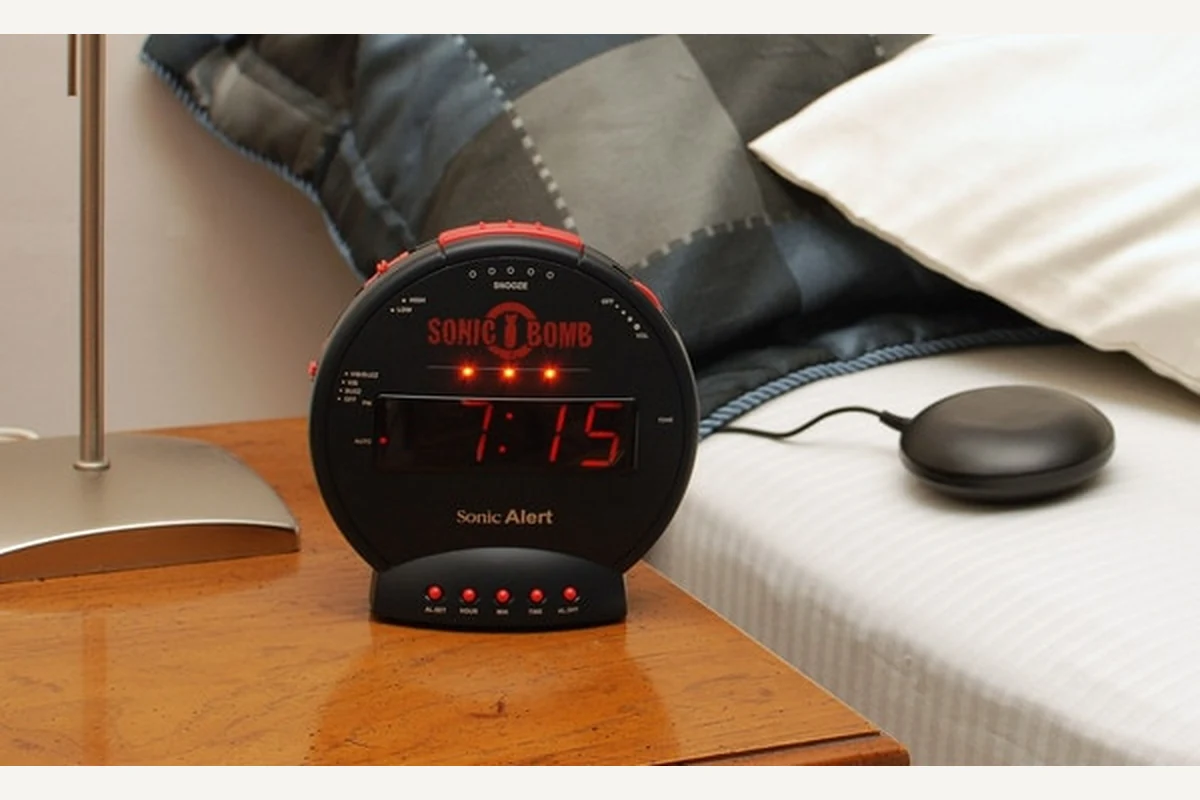
Sonic Alert Sonic Bomb SBB500SS
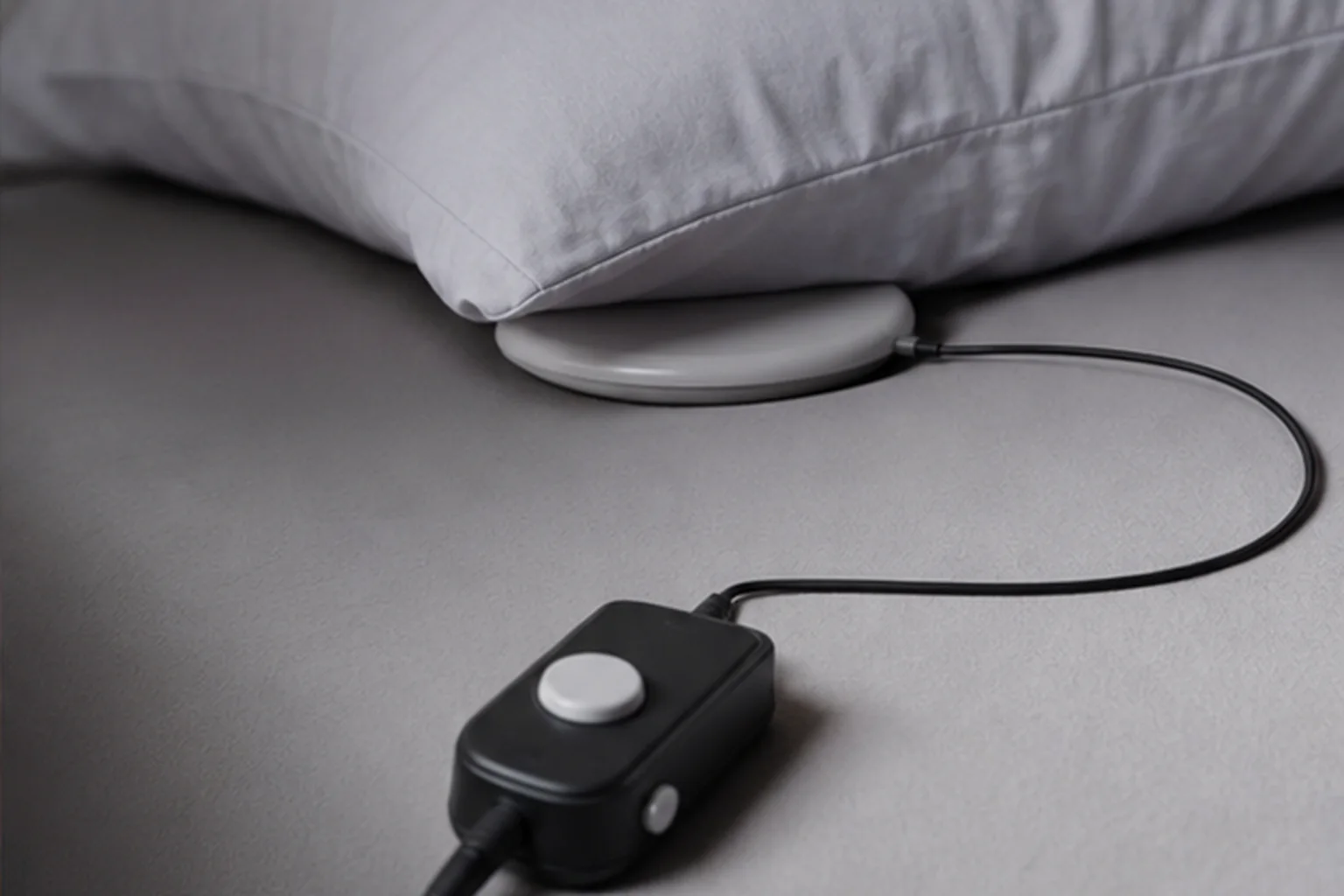
Sonic Bomb layers sound, vibration, and flash, making it more adaptable than simply placing a normal clock farther away.
The clock combines adjustable sound, flashing lights, dual alarms, and an included 12-volt bed shaker. The manufacturer lists a 113 dB maximum, so the useful question is how far below that maximum the sleeper can set it.
#2 · Compare for sound, vibration, or both
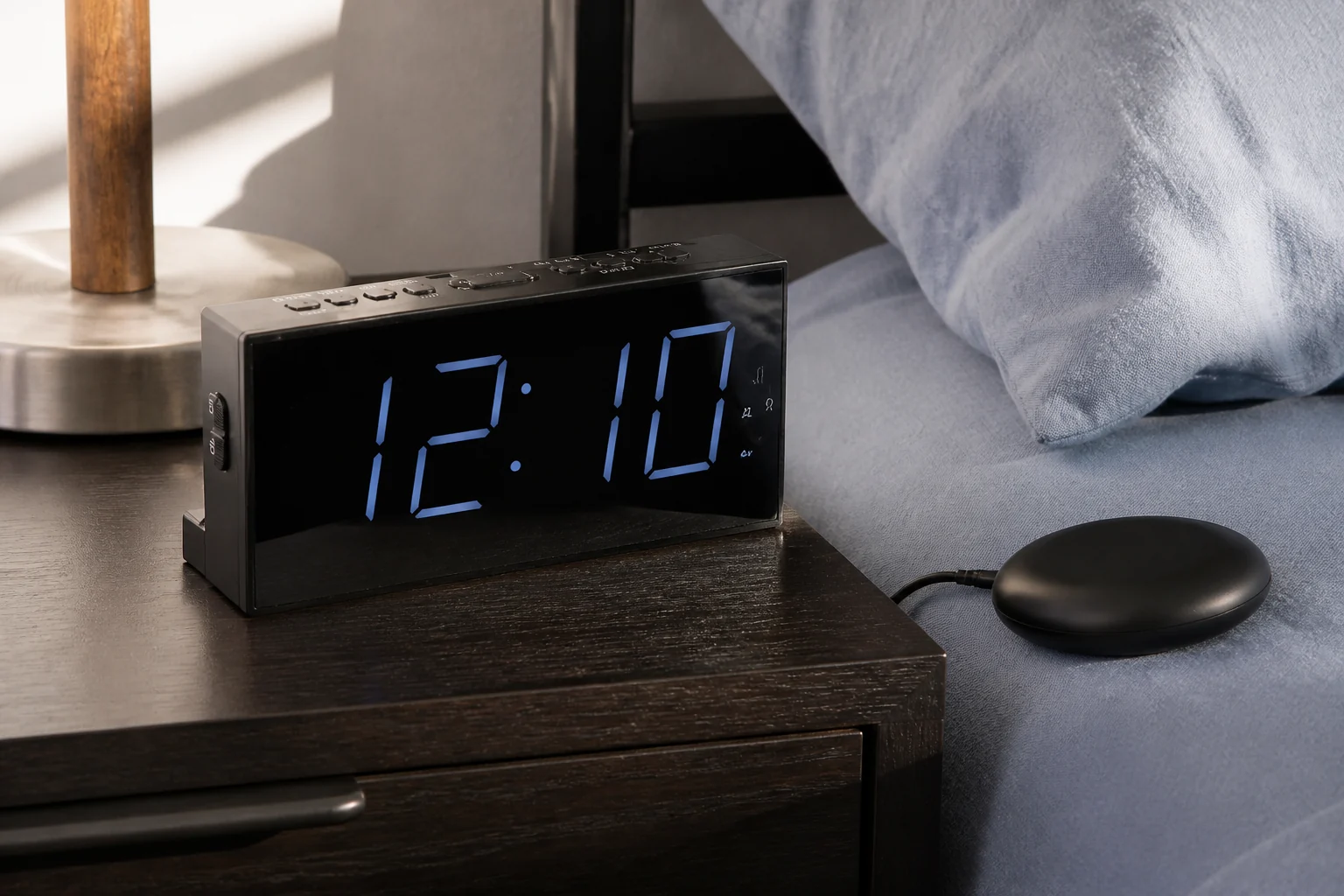
Roxicosly CR1001EM Bed Shaker Alarm Clock
Roxicosly adds a wired shaker to adjustable sound and dual alarms; the exact mode and puck placement need a real mattress rehearsal.
Roxicosly combines a wired bed shaker with an adjustable audible alarm, dual alarm times, nine-minute snooze, 24-hour Alarm Pause, large digits, and a USB charging output.
#3 · Compare for a battery twin-bell wake-up
Peakeep MHP3122 Twin Bell
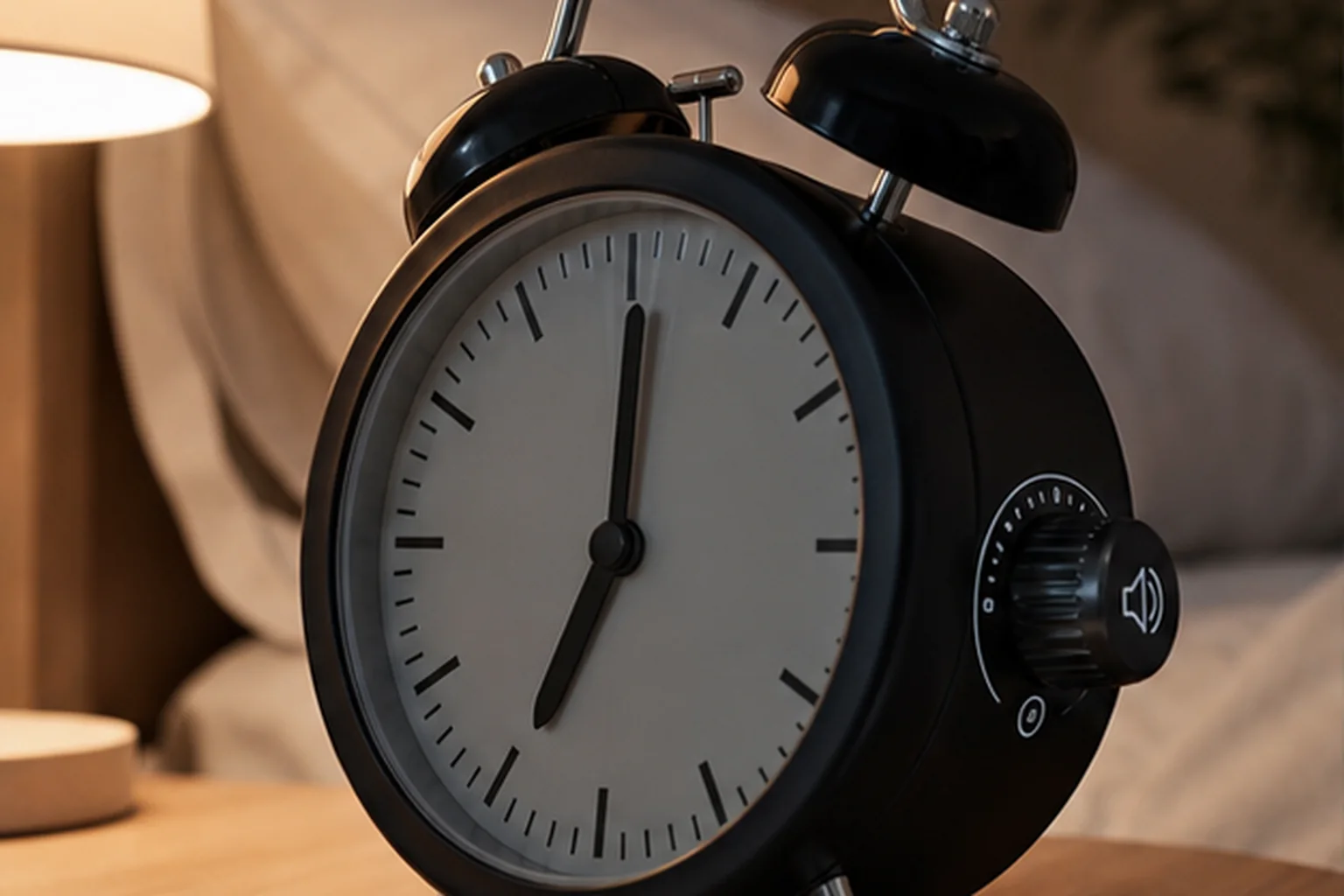
Peakeep removes snooze and uses a mechanical twin-bell strike, a simple route when tactile or gradual cues are unnecessary.
MHP3122 uses a real twin-bell hammer, a silent sweep movement, a temporary dial light, and one AA battery. It has no snooze, app, account, outlet, or charging dependency.
#4 · Compare for app-built light and sound routines
Hatch Restore 3
Restore 3 is the gradual-routine option for sleepers who respond better to light and sound beginning before the final wake time.
Restore 3 combines sunrise light, sound routines, and more direct device controls than earlier Restore models. A phone is still required for setup and customization, while core routines can be used from the clock afterward.
#5 · Compare when standing up is part of the plan
Clocky
Clocky is relevant when the alarm is heard but silenced automatically; it changes the shutoff task rather than the tone alone.
Clocky can allow one snooze, then roll away while beeping so the sleeper has to leave the bed to stop it. The running function can also be disabled.
#6 · Compare for a rechargeable wireless shaker
ANJANK Wireless Bed Shaker Alarm Clock
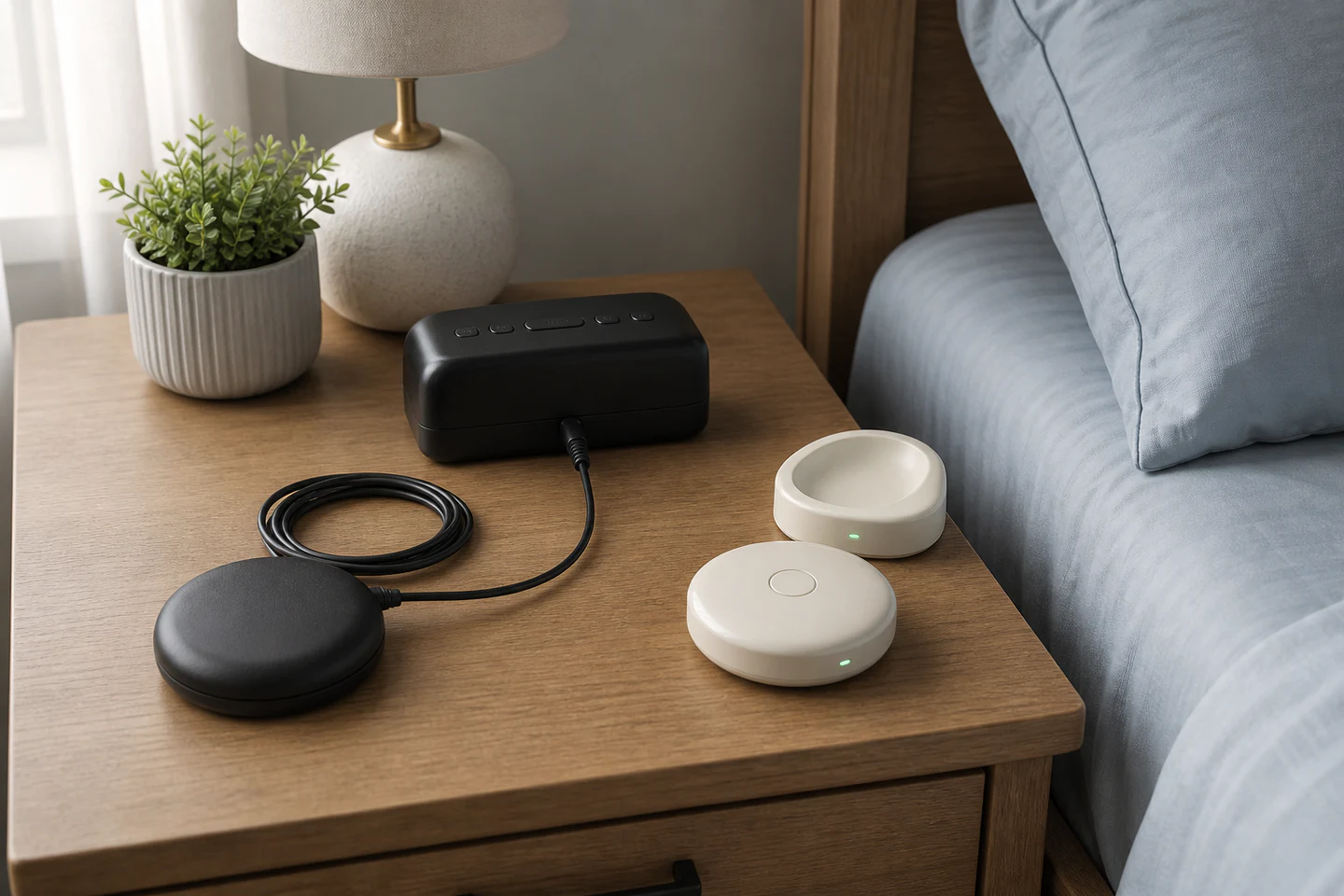
ANJANK offers a cable-free rechargeable shaker with three vibration levels, but range, charge state, and felt placement still require separate tests.
ANJANK pairs a plug-in dual-alarm clock with a separate rechargeable wireless shaker. The puck has three vibration levels, while the clock provides eight sounds, adjustable volume, display-off, a night light, and a USB-C phone output.
Evidence trail